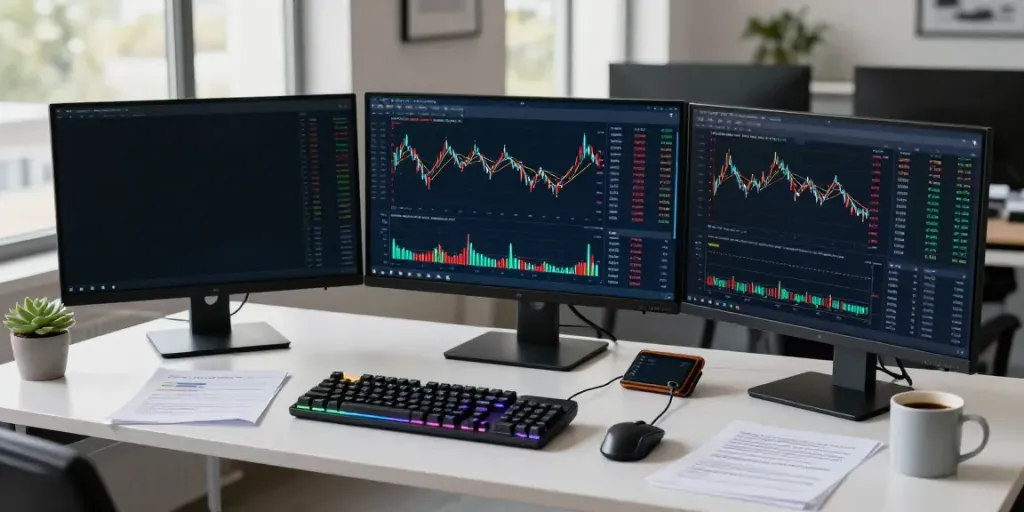
Understanding the Financial Data API Landscape
The financial markets are continually evolving, driven by rapid technological advancements and the growing need for real-time data. As innovation in sectors like blockchain technology and decentralized finance (DeFi) has taken center stage, developers require robust infrastructures to harness this data effectively. A financial data API serves as a pivotal tool, allowing stakeholders to access, analyze, and implement real-time financial data in their trading and analytical applications.
What is a Financial Data API?
A financial data API is an application programming interface specifically designed to provide financial market data to developers for integration into applications. These APIs enable users to access various data points, including stock prices, foreign exchange rates, indices, commodities, and cryptocurrency prices, thereby facilitating data-driven decision-making within the financial ecosystem.
The Importance of Real-time Data
In the age of digital finance, having access to real-time data is critical. Market movements can occur within seconds, and traders or investors need instantaneous updates to capitalize on such opportunities. A financial data API offers millisecond-latency data from global exchanges, empowering users to execute trades and adjust their portfolios promptly based on market fluctuations.
Key Features of Financial Data APIs
Financial data APIs typically offer several important features designed to meet the needs of developers and trading platforms:
- Wide Range of Data: APIs cover data for equities, options, ETFs, forex, cryptocurrencies, and more.
- Historical Data: Access to past market data for thorough analysis and backtesting.
- Real-time Updates: Streaming data capabilities to ensure timely information delivery.
- Multiple Data Formats: Support for JSON, XML, or CSV formats for seamless integration.
- Support and Documentation: Comprehensive resources for developers to facilitate quick integration.
Integrating Financial Data APIs into Trading Platforms
Integrating a financial data API into a trading platform is paramount for achieving superior trading performance and analytical capabilities. However, developers must follow best practices to maximize benefits while minimizing risks.
Best Practices for Developers
Developers should ensure that they authenticate their API access effectively, manage rate limits, and handle data errors gracefully. Additionally, maintaining robust logging mechanisms can help track API calls and any encountered issues.
Monitoring Market Trends with APIs
By leveraging financial data APIs, developers can create applications that monitor market trends in real-time. By utilizing advanced analytics tools, they can also predict market movements, assess volatility, and produce timely alerts for traders.
Case Studies of Successful Implementations
Several leading trading platforms and fintech applications have successfully integrated financial data APIs to enhance user experience. Such implementations have resulted in features like automated trading systems, algorithmic trading strategies, and portfolio management tools that help in making data-driven investment decisions.
Security Measures for Using Financial Data APIs
While integrating financial data APIs offers immense advantages, ensuring security is pivotal in protecting sensitive data and user investments.
Protecting Your API Keys
API keys are gateways to critical data services. It is essential to keep these keys private, using environment variables to store them securely instead of embedding them in application code.
Implementing Two-Factor Authentication
Implementing two-factor authentication (2FA) adds an additional layer of security for users accessing trading applications, significantly reducing the risk of account breaches.
Identifying Security Threats in Real-time Trading
Real-time trading environments are susceptible to various security threats, such as DDoS attacks and phishing schemes. Developers should employ proactive security monitoring solutions to identify and mitigate potential risks before they affect the trading ecosystem.
Optimizing Strategies with Financial Data APIs
Utilizing a financial data API can greatly enhance trading strategies and investment planning. By systematically analyzing historical and real-time data, developers can create optimized strategies suited for various market conditions.
Leveraging Historical Data for Analysis
Historical data is crucial for backtesting trading strategies. Understanding past market behaviors enables developers to simulate how different strategies would have performed and make informed adjustments moving forward.
Developing Automated Trading Systems
Automated trading systems can capitalize on fleeting market opportunities by integrating financial data APIs. These systems rely on algorithms that make trading decisions based on pre-defined criteria, increasing efficiency and execution speed.
Yield Farming and DeFi Opportunities
With the rise of DeFi platforms, developers can utilize financial data APIs to explore yield farming opportunities. By analyzing liquidity pools and staking rewards, traders can maximize returns on their crypto investments.
The Future of Financial Data APIs
The financial API ecosystem continues to adapt to rapidly changing market dynamics, particularly within the cryptocurrency sector. As technologies evolve, new opportunities and challenges arise for developers.
Emerging Trends in Cryptocurrency APIs
Emerging trends such as the proliferation of DeFi lending protocols and NFT marketplaces have created a demand for specialized APIs that cater to specific niches within the crypto space.
Adapting to Regulatory Changes in 2026
As cryptocurrency regulations evolve, the compliance landscape will likely impact API functionalities. Developers must stay informed on legal requirements to ensure their applications meet necessary standards.
Predictions for Market Evolution in the Next Five Years
Looking forward, we can anticipate advancements in API technology that will enhance data accuracy and accessibility. Innovations in blockchain protocols are expected to fuel the development of new financial instruments, creating diverse trading strategies for users.
What is the best API for financial data?
Choosing the best financial data API depends on various criteria such as data quality, responsiveness, pricing, and available features. When exploring options, researching user reviews and case studies can help determine which service aligns with specific project needs.
Are financial data APIs safe to use?
While most reputable financial data APIs implement robust security measures, risks still exist. Utilizing proper security practices, such as encrypting network communications and following secure coding standards, can significantly mitigate threats.
How do I choose a financial data API for trading?
When selecting a financial data API for trading, factors such as latency, historical data availability, update frequency, and API support are crucial. An understanding of the specific trading strategies you plan to implement aids in making the best choice.
What features should I look for in a financial data API?
Key features to look for include comprehensive coverage of different asset classes, data accuracy, streaming capabilities, customizable endpoints, and dedicated customer support for integration assistance.
Can I integrate financial data APIs into my existing platform?
Most financial data APIs are designed to facilitate integration with existing systems, given that they support standard formats and protocols. Careful attention to API documentation simplifies the integration process.