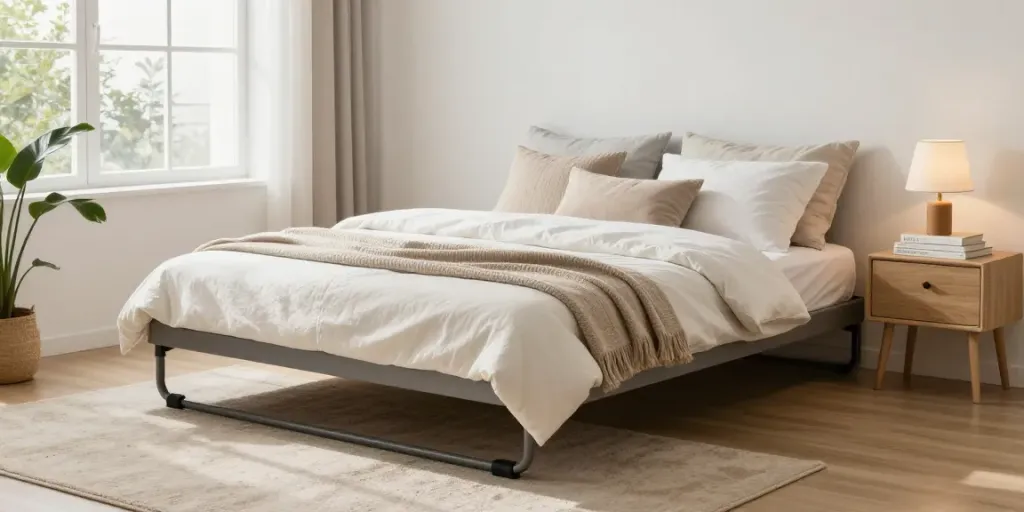
Understanding Folding Beds: Basics and Benefits
Folding beds have rapidly become an essential piece of furniture for many households, especially in urban areas where space is a precious commodity. These versatile beds offer practical solutions for guests and individuals who need a temporary or flexible sleeping arrangement. As the demand for multifunctional furniture continues to rise, understanding the characteristics and benefits of folding beds is key to making informed decisions. Whether you're accommodating overnight visitors or creating a cozy sleeping nook in your studio apartment, a folding bed can provide efficiency and comfort without compromising style.
What is a Folding Bed?
A folding bed, often referred to as a rollaway bed or temporary bed, is designed to be compact and easily storable when not in use. Unlike traditional beds, which are fixed in place, folding beds can be set up quickly and packed away within minutes. These beds typically come with a mattress that may vary in thickness and material, including options like memory foam or innerspring. Their portability makes them a popular choice for situations ranging from unexpected guests to camping trips.
Advantages of Using Folding Beds
Folding beds offer numerous advantages that make them appealing to diverse consumer needs:
- Space-saving: Folding beds can be collapsed and stored in small areas, making them perfect for apartments or homes with limited space.
- Ease of Use: Most folding beds require minimal assembly and can be deployed quickly, providing instant sleeping accommodations.
- Cost-effective: They often cost less than traditional beds, making them an affordable option for those on a budget.
- Versatile: Suitable for various settings, including homes, hotels, and even RVs, they cater to a wide audience.
Folding Bed vs. Traditional Beds
When comparing folding beds to traditional beds, several factors come into play:
- Comfort: Although many folding beds come equipped with quality mattresses, they may not match the comfort level of high-end traditional beds.
- Durability: Traditional beds are often more robust and designed for long-term use, while folding beds are typically intended for temporary or occasional use.
- Maintenance: Folding beds usually require less maintenance owing to their straightforward construction.
Choosing the Right Folding Bed
With countless options on the market, selecting the right folding bed can be overwhelming. However, understanding key features and specifications can simplify your decision.
Key Features to Look For
When shopping for a folding bed, consider the following features:
- Mattress Type: Choose between memory foam, innerspring, or air mattresses based on your comfort preferences and needs.
- Weight Capacity: Ensure that the bed can support the intended user’s weight securely.
- Frame Material: Look for sturdy materials like steel or aluminum for durability and strength.
- Portability: Features like wheels and lightweight construction enhance ease of movement and storage.
Size Variations: Twin, Full, and Queen
Folding beds come in various sizes, each catering to different needs:
- Twin: Ideal for children or small adults, twin folding beds are compact and easy to store.
- Full: Perfect for singles or couples, full-sized folding beds offer more sleeping space without taking up too much room.
- Queen: These are perfect for larger individuals or couples wanting extra space for comfort.
Specialty Folding Beds for Specific Needs
Some folding beds cater to specific requirements, including:
- Outdoor Use: Folding camping beds are lightweight and designed to withstand outdoor conditions.
- Adjustable Heights: Certain models allow for height adjustment, providing versatility for different users.
- Built-in Storage: Some beds feature storage compartments for added convenience.
Setting Up Your Folding Bed
Setting up a folding bed effectively can enhance your experience and ensure comfort. Here are some tips to make the process smooth.
Best Practices for Assembly and Setup
Follow these practices for optimal setup:
- Read Instructions: Always start by reading the manufacturer’s assembly instructions thoroughly.
- Choose the Right Location: Place the bed on a flat surface to ensure stability.
- Check Frame Stability: Ensure the frame is locked in place before use.
Creating a Comfortable Sleep Environment
To make the most of your folding bed, consider the surrounding environment:
- Invest in Quality Linens: Use soft sheets and a cozy blanket to enhance comfort.
- Temperature Control: Maintain a comfortable room temperature for better sleep quality.
- Minimize Noise: Situate the bed away from noise sources to promote peaceful rest.
Space-Saving Tips for Small Rooms
Maximizing space in small rooms involves strategic placement and organization. Consider these tips:
- Vertical Storage: Use vertical space to store extra bedding and pillows.
- Multi-functional Furniture: Opt for furniture that serves more than one purpose, like a folding sofa bed.
Care and Maintenance of Folding Beds
Maintaining your folding bed properly ensures longevity and continues to provide comfort. Here are essential care tips.
Cleaning and Refreshing Your Folding Bed
Regular cleaning helps keep your folding bed in prime condition:
- Spot Clean: Use a damp cloth to clean any spills or stains immediately.
- Vacuum: Regularly vacuum the mattress and frame to remove dust and allergens.
Long-term Maintenance Tips
For long-term maintenance, keep the following in mind:
- Inspect Regularly: Check the frame and mattress for any wear or damage.
- Store Properly: When not in use, store the bed in a dry environment to prevent mold and mildew.
Identifying Common Issues and Solutions
Like any furniture, folding beds can face issues. Common problems include:
- Wobbly Frame: Tighten screws and bolts to improve stability.
- Uncomfortable Mattress: Consider adding a mattress topper for additional comfort.
Trends in Folding Bed Designs for 2026 and Beyond
As we move closer to 2026, the market for folding beds is evolving rapidly, shaped by innovative features and consumer demand for sustainability.
Innovative Features Shaping the Market
Trends include:
- Smart Beds: Integrating technology, such as sleep tracking and adjustable firmness.
- Customizable Designs: More brands offer options to customize bed dimensions and aesthetics.
Eco-Friendly Materials and Construction
With sustainability in focus, many manufacturers are moving towards environmentally friendly materials, ensuring that the folding beds are made with recyclable and non-toxic substances.
Future Predictions for Home Furniture Adaptations
As living spaces shrink, the demand for adaptable and transformable furniture will likely surge. Expect more innovative solutions that merge functionality with aesthetics for all types of folding beds, catering to diverse consumer preferences.
What is the best foldable bed?
The best foldable bed will vary based on personal preferences, but factors to consider include comfort, size, and portability. Products that incorporate memory foam mattresses generally receive high ratings for comfort.
Are foldable beds good for daily use?
While many folding beds are designed for occasional use, high-quality models can be suitable for daily use, especially those with supportive mattresses and durable frames.
How do I choose a folding bed?
Consider your needs, space limitations, and budget. Evaluate features like mattress type, weight capacity, and overall design when making your selection.
Can I use a folding bed for guests?
Yes, folding beds are an excellent choice for guest accommodations, providing extra sleeping options without taking up permanent space in your home.
What should I consider when buying a folding bed?
Prioritize comfort, durability, and ease of storage. Also, consider the size, weight capacity, and any specific requirements you may have.