Understanding BPC-157 and TB-500
The world of research peptides is vast, with many compounds offering unique properties for scientific investigations. Among these, the BPC-157 and TB-500 blend stands out for its extensive applications in tissue repair and regenerative studies. Understanding these compounds is essential for researchers looking to achieve reliable and reproducible results in their labs.
What Are BPC-157 and TB-500?
BPC-157, a pentadecapeptide, is derived from a protective protein found in the stomach. It has garnered attention for its potential to accelerate healing, reduce inflammation, and promote angiogenesis (the formation of new blood vessels). TB-500, on the other hand, is a synthetic variant of thymosin beta-4, a peptide that plays a significant role in healing processes. This blend of two powerful peptides is often referred to as the "Wolverine Blend" due to its reputed healing properties.
Mechanisms of Action in Research
The synergistic effects of BPC-157 and TB-500 are primarily attributed to their role in enhancing cellular migration and proliferation. BPC-157 has been shown to improve collagen synthesis and modulate inflammatory responses, while TB-500 aids in the regeneration of tissues through its influence on actin, a protein crucial for cell movement. Together, they create a robust framework for promoting rapid healing in various laboratory studies.
Common Applications in Laboratory Studies
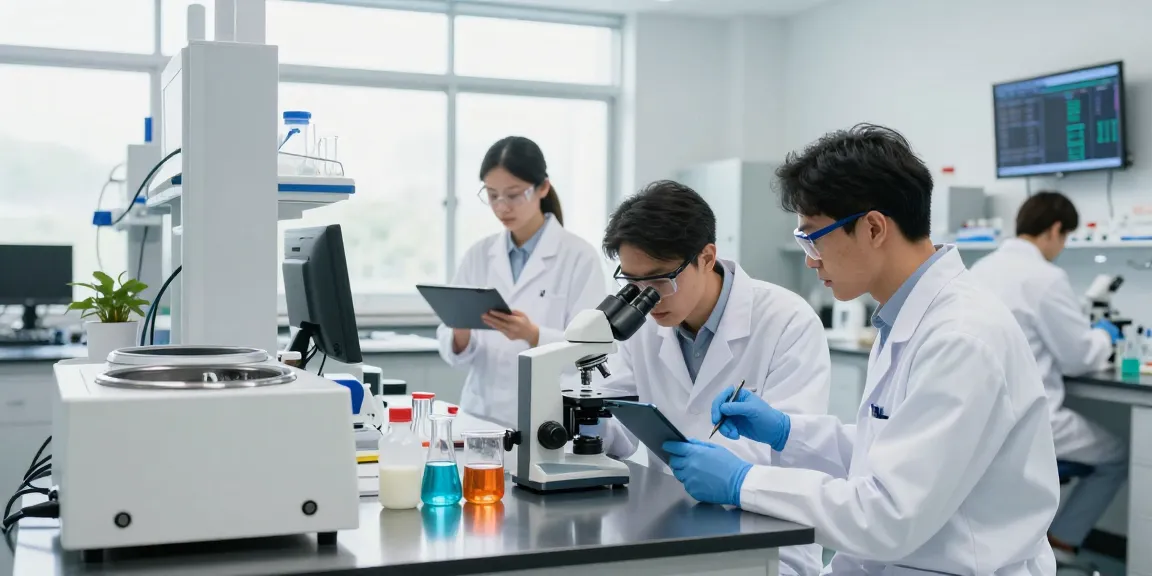
Researchers employ the BPC-157 TB-500 blend for various experimental applications, including:
- Muscle repair following injury.
- Exploring anti-inflammatory properties in tissue cultures.
- Investigating vascularization in wound healing models.
- Studying the effects of peptides on neuroprotection.
Why Researchers Choose BPC-157 TB-500 Blend
When exploring options, BPC-157 TB-500 blend for sale provides comprehensive insights into its quality and reliability, crucial for any laboratory setting. Researchers often prioritize this blend due to its thoroughly documented batch testing and purity verification.
Independently Tested for Purity and Quality
One of the hallmarks of the BPC-157 TB-500 blend from reputable suppliers is its rigorous independent testing. Third-party laboratories conduct high-performance liquid chromatography (HPLC) analysis and endotoxin testing to ensure each batch meets stringent quality standards. This level of scrutiny provides researchers with the confidence they need in their materials.
Batch Documentation: Importance for Research Reliability
Batch documentation is essential for tracking the quality and consistency of peptides used in research. Many suppliers offer clear Certificates of Analysis (CoA), detailing the identity, concentration, and purity of each batch. This transparency not only fosters trust but also supports reproducible and reliable results in scientific inquiries.
Benefits of Using This Specific Blend
The BPC-157 TB-500 blend offers several benefits that appeal to researchers:
- Enhanced Healing: Both peptides promote faster tissue regeneration, making them valuable in studies of injury recovery.
- Reduced Inflammation: Anti-inflammatory properties can aid in creating more controlled experimental conditions.
- Improved Vascularization: The blend supports new blood vessel formation, essential in various regenerative research applications.
Acquiring BPC-157 TB-500 Blend for Sale
For researchers looking to acquire the BPC-157 TB-500 blend, navigating the market can be challenging. Understanding where to find reliable suppliers is critical for ensuring high-quality materials.
Where to Find Reliable Suppliers
Reputable suppliers can often be found through industry-focused websites, research forums, and peer recommendations. It is essential to verify that these suppliers provide proper documentation, including third-party lab results, to ensure that their products meet the expected research standards.
What to Look for When Purchasing
When purchasing the BPC-157 TB-500 blend, researchers should prioritize the following:
- Documentation of purity and batch testing.
- Product reviews and testimonials from other researchers.
- Clear information regarding shipping, handling, and storage requirements.
Understanding Pricing and Packaging Options
Pricing for the BPC-157 TB-500 blend can vary significantly based on the supplier and product quality. Generally, researchers should anticipate spending between $50 and $200 per vial, depending on the concentration and quantity. It is also advisable to consider bulk purchasing options for cost savings.
Best Practices for Using BPC-157 TB-500 in Research
To maximize research outcomes with the BPC-157 TB-500 blend, researchers must adhere to best practices regarding reconstitution, handling, and compliance.
Reconstitution and Handling Procedures
Proper reconstitution of peptides is critical for maintaining their integrity. Researchers should follow these steps:
- Use sterile water or appropriate solvent for reconstitution.
- Gently swirly the vial to mix; avoid vigorous shaking.
- Store reconstituted peptides at recommended temperatures to ensure stability.
Safety Measures and Compliance Guidelines
Handling research peptides requires adherence to safety guidelines to minimize risks. Researchers should:
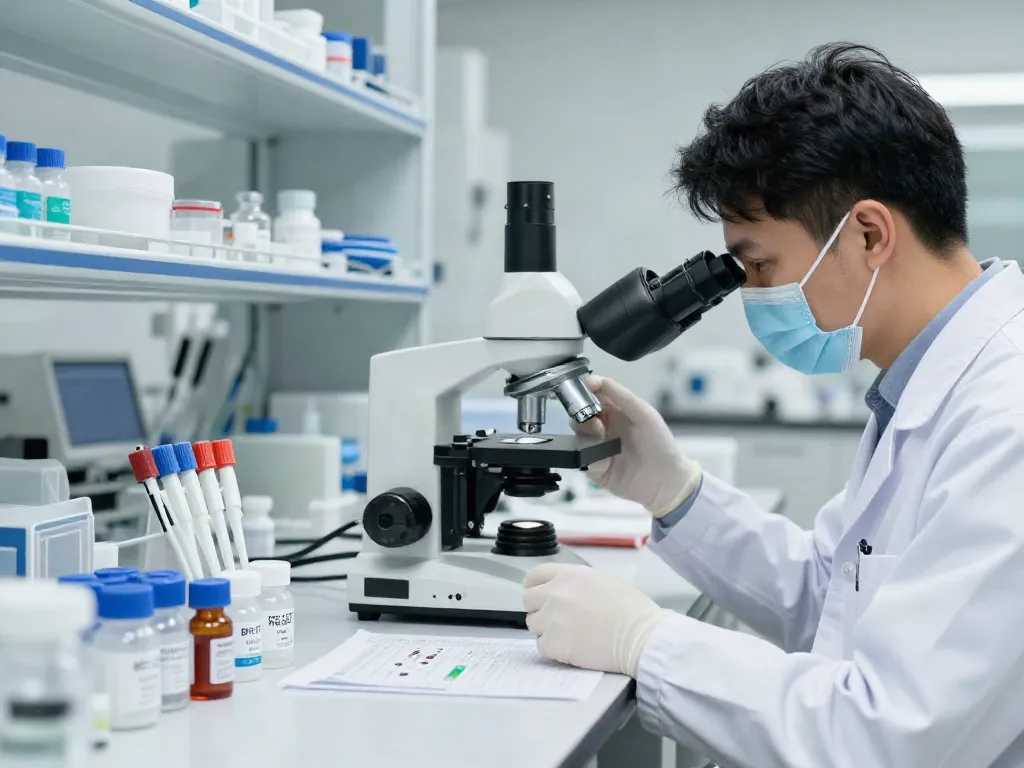
- Wear appropriate personal protective equipment (PPE) at all times.
- Follow institutional protocols for handling and disposal of chemicals.
- Ensure that all personnel are trained in safe handling practices.
Documenting Research Outcomes Effectively
Effective documentation of research outcomes is vital for reproducibility. Researchers should maintain detailed logs of experimental conditions, peptide batch numbers, and any observations made during studies. Utilizing digital notebooks can enhance organization and accessibility of research data.
Future Trends in Research Peptides and BPC-157 TB-500
The future of research peptides is promising, with innovations on the horizon that could expand the applications of compounds like BPC-157 and TB-500.
Emerging Applications in Scientific Investigations
Current studies are beginning to uncover new applications for the BPC-157 TB-500 blend, including:
- Test models for neurodegenerative diseases.
- Explorations in cancer research for tissue repair.
- Development of regenerative medicine and therapies.
What to Expect in the Market by 2026
By 2026, researchers can anticipate a broader availability of high-quality research peptides due to increased regulatory scrutiny and advancements in synthesis techniques. This demand will likely lead to competitive pricing and improved transparency from suppliers.
Research Innovations and Developments
Innovative approaches to peptide synthesis and delivery mechanisms may dominate future research. As researchers explore formulations that enhance bioavailability and target specificity, the landscape of how BPC-157 and TB-500 are utilized in laboratories could shift significantly.
What is the BPC-157 TB-500 blend used for?
The BPC-157 TB-500 blend is used primarily in research settings to study its effects on healing, inflammation, and tissue regeneration across various models, including muscle injury and wound healing.
How is the purity of BPC-157 TB-500 verified?
Purity is verified through independent laboratory testing, specifically through high-performance liquid chromatography (HPLC) and endotoxin assays, ensuring that each batch meets the necessary research-grade standards.
Are there specific handling protocols for research peptides?
Yes, handling protocols include using sterile techniques during reconstitution, wearing appropriate PPE, and adhering to safety guidelines for storage and disposal.
What distinguishes this blend from others on the market?
This blend's distinctiveness lies in its combination of BPC-157 and TB-500, which amplifies their individual regenerative properties, leading to enhanced outcomes in tissue repair and healing in research applications.
How can I ensure compliance when purchasing BPC-157 TB-500?
To ensure compliance, researchers should purchase from reputable suppliers, verify documentation such as Certificates of Analysis, and adhere to institutional guidelines regarding the procurement of research chemicals.