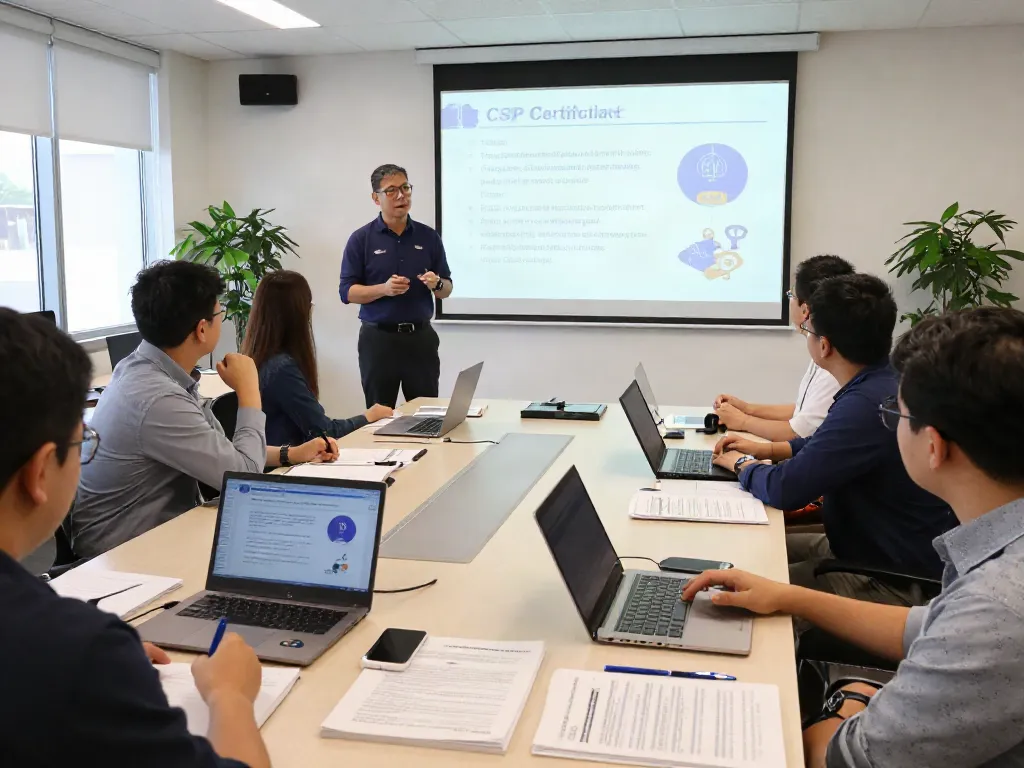
Understanding the Job Market Landscape in 2026
As we step into 2026, the job market is evolving at a rapid pace, driven by a myriad of factors including economic shifts, technological advancements, and changing workforce dynamics. Understanding this landscape is essential for job seekers looking to navigate the complexities of employment opportunities. With a plethora of options available, ranging from traditional roles to emerging fields, it’s crucial to equip oneself with the right strategies and insights. In this context, หางาน is becoming an increasingly popular method for discovering job opportunities that align with individual career goals.
Current Trends in Job Searching and Employment
The job search process has transformed significantly over the past few years. With the rise of remote work, candidates are no longer limited to local job markets. Many organizations are now open to hiring talent from across the globe, which has expanded the pool of opportunities available to job seekers. Additionally, sectors like technology, healthcare, and renewable energy are experiencing significant growth, resulting in a surge of job openings.
- Remote Work: The shift to remote work has made job searching more flexible, allowing candidates to explore opportunities that may not have been geographically feasible before.
- Gig Economy: There’s a notable rise in freelance and gig positions, catering to those who seek flexible work arrangements and diverse experiences.
- Hybrid Models: Many companies are adopting hybrid work models, combining remote and in-office work, providing candidates with greater choice in their work environment.
The Impact of Technology on Job Opportunities
Technological advancements are reshaping job roles across various industries. Automation and artificial intelligence are streamlining processes, leading to the emergence of new job categories and opportunities that require tech-savvy professionals. Skills in data analysis, cybersecurity, and digital marketing are increasingly in demand. As a result, job seekers must prioritize upskilling and continuous learning to stay relevant in this fast-paced environment.
Challenges Job Seekers Face Today
Despite the abundance of opportunities, job seekers today face several challenges. The competition is fierce, particularly in popular sectors, making it crucial for candidates to differentiate themselves. Many applicants struggle to navigate applicant tracking systems (ATS) which many companies utilize to filter through resumes. Furthermore, the pressure to develop a robust online presence and showcase personal branding through platforms like LinkedIn can be overwhelming.
Essential Strategies for Effective Job Searching
Utilizing Online Platforms for หางาน
In 2026, the landscape of job searching is predominantly digital. Leveraging online platforms is essential to uncover job opportunities that match one's skill set and career aspirations. Numerous websites and job boards cater specifically to various industries, making it easier than ever to find positions that align with individual goals. Remember to tailor your searches and set alerts for specific keywords and roles that interest you.
Crafting a Standout Resume and Cover Letter
A compelling resume and cover letter are vital tools for job seekers. A standout resume should be tailored to highlight relevant experience and skills, using keywords that match the job description. Similarly, cover letters should be personalized, demonstrating passion for the role and how one's background fits the company culture and objectives. Strong storytelling can significantly elevate the appeal of both documents.
Networking: Building Connections for Career Growth
Networking remains a powerful tool in the job search arsenal. Many positions are filled through referrals and personal connections rather than traditional job postings. Attending industry events, joining professional organizations, and engaging in online forums can help job seekers establish valuable relationships. Building a network not only opens doors to opportunities but also provides valuable insights into industry trends and employer expectations.
Navigating the Application Process Successfully
Understanding Job Descriptions and Requirements
Effective job seekers must know how to dissect job descriptions. Understanding the specific requirements and responsibilities can help candidates tailor their applications to better meet employer expectations. It's crucial to focus on keywords and phrases within job postings to ensure the application stands out during the screening process.
Preparing for Interviews: Tips and Best Practices
Preparation is key when it comes to interviews. Candidates should research the company thoroughly and practice common interview questions. Learning about the organization's culture and values can provide vital context that can help in answering questions effectively. Moreover, preparing thoughtful questions for the interviewer demonstrates interest and engagement.
Follow-Up Strategies After Interviews
After an interview, sending a follow-up thank-you email is not just courteous; it reinforces interest in the position. Candidates should take the opportunity to express appreciation for the interviewer's time and reiterate key points that showcase fit for the role. A well-crafted follow-up can leave a lasting impression and increase the likelihood of further steps in the hiring process.
Real-World Success Stories and Case Studies
Job Seekers Who Found Success Through Networking
Networking has proven to be an invaluable asset for countless job seekers. For instance, Jane, a marketing professional, leveraged her connections from industry events and social media groups to land her dream position at a leading tech firm. Through informational interviews and consistent engagement, she not only secured a job but also built lasting professional relationships that have benefitted her career.
Companies That Successfully Adapted to Changing Job Markets
Organizations that successfully adapt to changing job markets often set trends and become leaders in their sectors. For example, a well-known retail company embraced a digital-first approach, revolutionizing how they approached customer service and marketing. By shifting their workforce toward online platforms, they not only maintained their relevance but also attracted top talent that valued innovation and flexibility.
Lessons Learned from Career Transitions in 2026
As industries continue to evolve, professionals are increasingly finding themselves in transition. Key lessons from recent career transitions include the importance of adaptability and continuous learning. For instance, many healthcare workers have transitioned into tech roles, leveraging their medical knowledge in areas such as health technology and data analysis, proving that diverse skill sets can lead to unexpected and rewarding career paths.
The Future of Work: Trends to Watch
Emerging Fields and Opportunities in the Job Market
Looking ahead, it’s vital to keep an eye on emerging fields that are likely to dominate the job market. Industries such as renewable energy, biotechnology, and artificial intelligence are expected to yield significant job growth. Job seekers should proactively seek education and training opportunities in these areas to position themselves advantageously.
Workplace Flexibility and Remote Work Trends
The trend towards workplace flexibility is here to stay. As companies recognize the benefits of remote work, candidates can expect more options for flexible arrangements. This shift will not only affect where work is done but also how work-life balance is approached. Job seekers should inquire about these options during the interview process, ensuring that their needs align with potential employers' policies.
Preparing for Changes in Employment Practices
As employment practices evolve, staying informed about changes in labor laws, remote work regulations, and workplace ethics is essential. Job seekers should be proactive in understanding these changes, as they will likely influence hiring practices and job expectations in various industries. Continuous education and adaptability will be critical in navigating these shifts effectively.
How can I effectively search for a job today?
Effective job searching today requires a multifaceted approach, leveraging both online platforms and networking opportunities. Tailoring applications and staying active in professional communities can significantly increase your chances of success.
What are the best platforms for หางาน?
Some of the best platforms for job searching include specialized job boards, company websites, and networking sites like LinkedIn. Engaging with communities in your industry can also yield unique opportunities that might not be advertised publicly.
How do I tailor my resume for specific jobs?
Tailoring your resume involves customizing it for each application, ensuring it highlights relevant skills and experiences that align with the job description. This includes using keywords from the job posting and focusing on accomplishments that relate directly to the position.
What should I expect in a job interview?
In a job interview, expect to discuss your experiences, skills, and how you can contribute to the company's objectives. Additionally, prepare to answer behavioral questions that assess how you've handled past situations.
How can networking help my job search?
Networking can open doors to opportunities that are not publicly advertised and can provide valuable insights into industry trends. Building relationships with professionals in your field can lead to referrals or mentorship that enhances your job search.