Understanding the Role of Patient Education in Rhinoplasty
Rhinoplasty, often referred to as nose surgery, is one of the most sought-after plastic operations worldwide. As patients increasingly prioritize aesthetic outcomes alongside safety, the role of patient education in rhinoplasty cannot be overstated. Informed patients are better equipped to make decisions regarding their surgery, thereby enhancing their overall experience and satisfaction. Dr Chacra, a leading figure in this domain, exemplifies this approach through his innovative practice at Clinique 7 in Montreal.
Importance of Informed Consent in Surgical Procedures
Informed consent is a cornerstone of ethical medical practice. In the context of rhinoplasty, it involves a thorough discussion regarding the anticipated outcomes, potential risks, and postoperative care. Dr. Zahi Abou Chacra emphasizes the necessity of educating patients on these aspects to ensure they comprehend what the procedure entails. This process not only protects the patients but also cultivates trust between the surgeon and the patient, creating a more collaborative atmosphere.
How Dr Chacra Empowers His Patients
Dr. Chacra employs a multifaceted approach to empower his patients. During initial consultations, he actively listens to their concerns, aspirations, and previous experiences. This open communication encourages patients to express their needs and ultimately leads to more tailored surgical plans. By fostering an environment of transparency, Dr. Chacra ensures that patients feel respected and valued throughout their educational journey.
Leveraging Technology for Patient Understanding
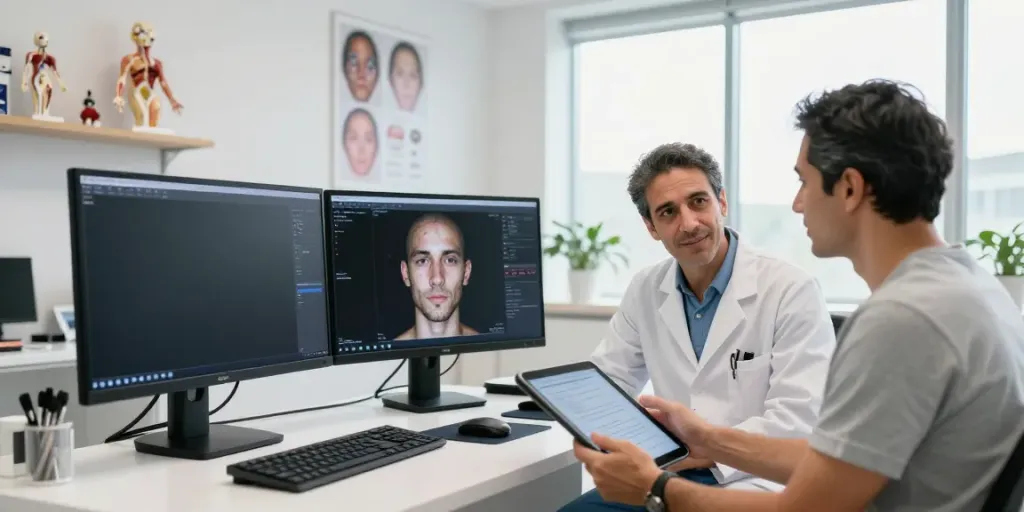
The integration of advanced technology, such as 3D imaging and simulations, is revolutionizing patient education in rhinoplasty. These tools allow patients to visualize potential surgical outcomes, significantly reducing anxiety and uncertainty. Dr. Chacra's use of this technology not only facilitates better understanding but also enhances the decision-making process, ensuring that patients have realistic expectations regarding their surgery.
Innovations in Rhinoplasty: What to Expect in 2026
As we look towards the future, the field of rhinoplasty is poised for significant advancements. With ongoing research and development, patients can expect innovations that enhance both the surgical experience and the final results. The landscape is shifting toward more sophisticated techniques and tools designed to further improve patient outcomes.
Advancements in 3D Imaging and Simulation Technologies
3D imaging is not merely a technological novelty; it has the potential to transform the entire rhinoplasty experience. This technology provides surgeons with precise anatomical data, allowing for highly individualized surgical planning. In 2026, we anticipate further enhancements in 3D imaging software, enabling even more detailed pre-surgical simulations that can guide both the surgeon and the patient in setting achievable goals.
Minimally Invasive Techniques Revolutionizing Recovery
Minimally invasive techniques are gradually becoming the norm in rhinoplasty, largely due to their benefits in terms of recovery time and overall patient comfort. These innovative methods, which involve less trauma to the surrounding tissues, lead to reduced swelling and a faster return to normal activities. As techniques like ultrasonic rhinoplasty gain traction, patients can expect a procedure that prioritizes their comfort without compromising on results.
Future Trends in Rhinoplasty Procedures
Looking ahead, the rhinoplasty field is likely to embrace a more holistic approach, blending surgical expertise with advanced technology. Expect to see an increase in custom-tailored techniques that accommodate individual patient anatomy and personal aesthetic goals. Furthermore, as the demand for natural-looking results continues to grow, surgeons will focus on techniques that enhance facial harmony rather than create dramatic alterations.
Dr Chacra's Unique Approach to Patient Experience
At Clinique 7, Dr. Chacra has redefined the patient experience by prioritizing education, communication, and comfort. His commitment to providing an exceptional experience is evident in every aspect of his clinic, from the consultation phase through the postoperative follow-up.
The Importance of a Comprehensive Consultation Process
Dr. Chacra believes that a thorough consultation process is fundamental to patient satisfaction. During initial consultations, he collects detailed medical histories, discusses aesthetic goals, and informs patients about the surgical process. This comprehensive approach helps mitigate unexpected outcomes and fosters a trusting relationship between the surgeon and patient.
Building Trust through Transparency and Communication
Effective communication is at the core of Dr. Chacra's practice. He strives to create a supportive atmosphere where patients feel comfortable discussing their worries and expectations. By maintaining transparency about the surgical process, recovery, and potential risks, he builds a foundation of trust that is essential for a positive surgical experience.
Creating a Supportive Environment for Patients
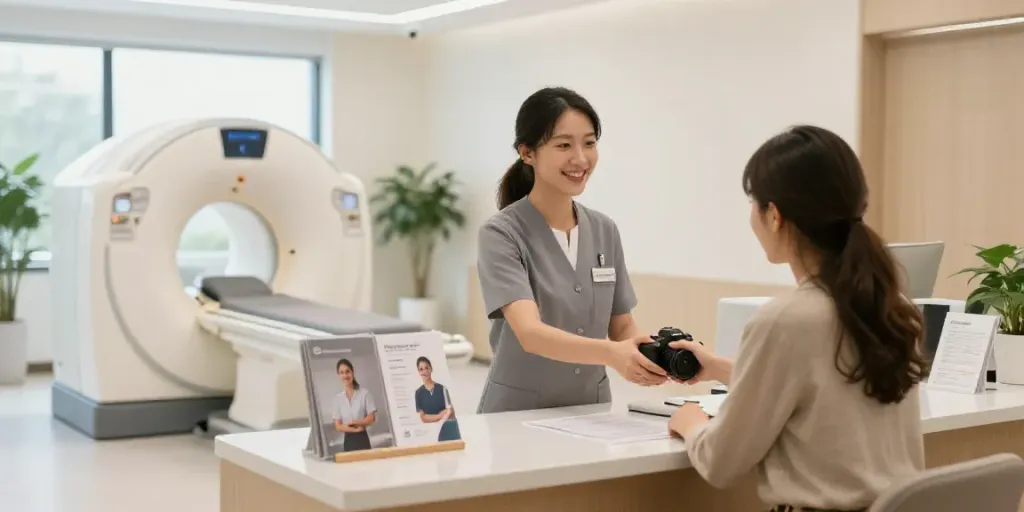
Creating a welcoming and supportive environment is another integral aspect of Dr. Chacra's approach. His clinic staff is trained to uphold the same values of compassion and professionalism, ensuring that patients feel cared for at every touchpoint. This commitment to patient comfort extends beyond the surgical procedure, influencing the entire journey towards recovery.
Exploring the Business Leadership of Dr Chacra at Clinique 7
Dr. Chacra's dual MBA from prestigious institutions enhances his ability to effectively manage Clinique 7. Combining medical expertise with business acumen enables him to navigate both clinical and operational challenges with confidence.
How a Dual MBA Enhances Medical Practice Management
The blend of medical training and business education has allowed Dr. Chacra to approach his practice with a strategic mindset. He is well-versed in financial management, strategic planning, and leadership, which are crucial for running a successful medical practice. This unique skill set lays the foundation for sustainable growth and high-quality patient care.
Strategies for Maintaining a Patient-Centric Business Model
To maintain a patient-centric business model, Dr. Chacra implements strategies that prioritize patient needs. These include continuous feedback mechanisms, patient satisfaction surveys, and employee training programs focused on enhancing patient interactions. By creating a culture that values patient experience, Clinique 7 ensures that the needs of its clientele are always at the forefront of operations.
Future Directions for Medical Practices in the Aesthetic Field
The aesthetic medicine field is rapidly evolving, and Dr. Chacra is committed to staying ahead of the curve. By embracing innovative technologies, nurturing patient relationships, and adhering to the highest standards of care, he sets a precedent that other practices may emulate. Looking forward, we can expect an increasing focus on personalized care that aligns with patients' individual aspirations and values.
FAQs about Dr Chacra and His Innovations in Rhinoplasty
What makes Dr Chacra a leading expert in rhinoplasty?
Dr. Zahi Abou Chacra is recognized for his specialized training and extensive experience in rhinoplasty. His commitment to ongoing education and practice innovation further solidifies his status as a leader in the field.
How does technology improve surgeon-patient communication?
Advanced technologies such as 3D imaging and virtual consultations facilitate clearer, more effective communication between the surgeon and patient, ensuring that expectations are well-aligned before proceeding with surgery.
What can patients expect during the consultation process?
During the consultation process, patients can expect a thorough medical assessment, an open discussion of aesthetic goals, and education about the surgical procedure, risks, and recovery. Dr. Chacra emphasizes transparency, which fosters a trusting relationship.
How are recovery times impacted by new surgical techniques?
Innovative techniques, particularly minimally invasive approaches, significantly reduce recovery times. By minimizing trauma to surrounding tissues, patients can experience faster healing and less postoperative discomfort.
What role does patient education play in rhinoplasty success?
Patient education is critical in rhinoplasty, as informed patients make better decisions regarding their surgery. Understanding the process, benefits, and risks leads to enhanced satisfaction and overall success of the procedure.