
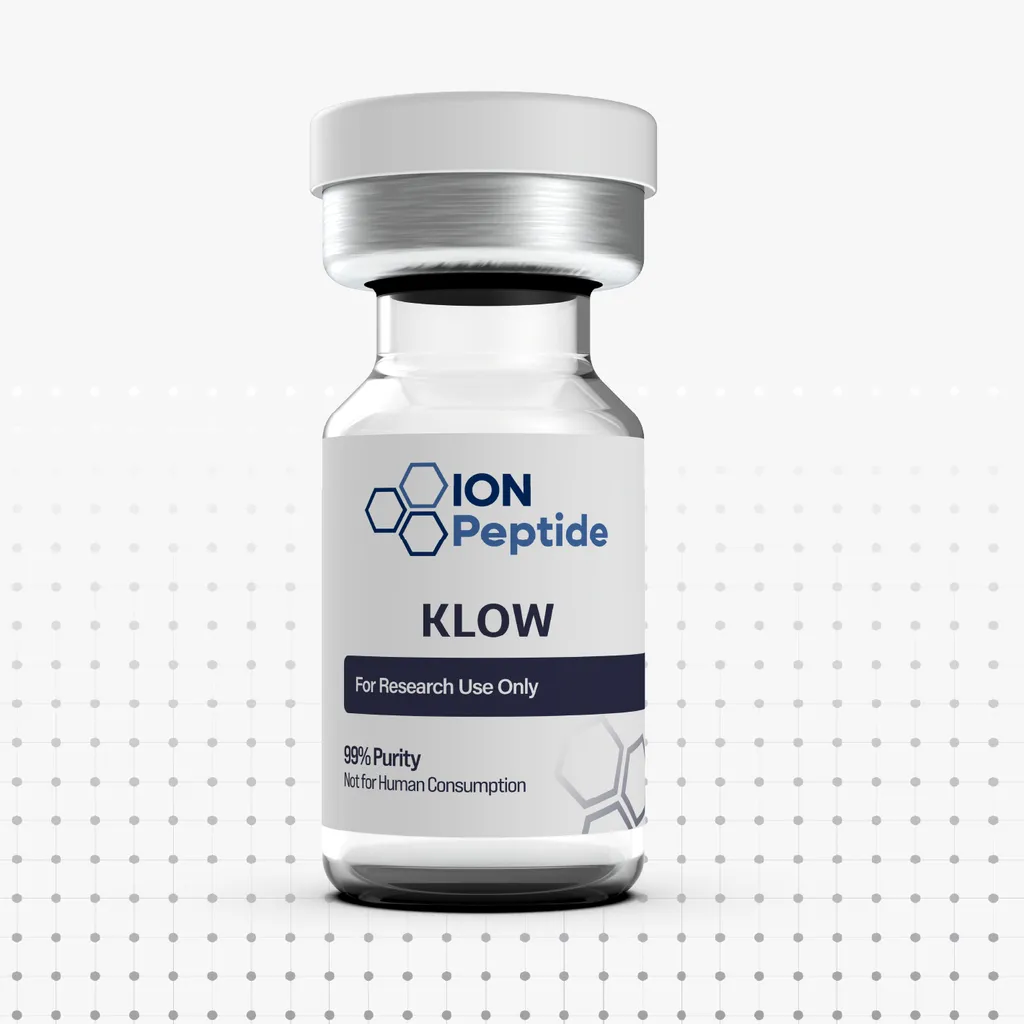
When evaluating klow peptide for research purposes, quality control and independent verification are important components of responsible analytical assessment. Ion Peptide emphasizes transparent testing, batch-specific documentation, and traceable quality records when evaluating research compounds. Ion Peptide also recognizes that klow peptide should be assessed through measurable analytical evidence rather than general marketing statements. For researchers, Ion Peptide documentation can provide a structured way to review identity, purity, batch information, analytical methods, and independent laboratory findings.
Understanding Quality Control for Research Compounds
Quality control is a systematic process used to evaluate whether a research material meets defined specifications. It can include raw-material checks, production controls, analytical testing, documentation review, and batch release procedures.
For klow peptide, a meaningful quality-control program should address the characteristics that are relevant to the compound and its intended research application. These may include molecular identity, chromatographic purity, assay or content, related substances, residual materials, and stability-related information.
Why Quality Control Matters
A single laboratory result cannot answer every quality question. Different analytical techniques measure different properties, so a comprehensive quality-control system uses complementary methods where appropriate.
Ion Peptide can organize analytical results by individual quality attributes, allowing researchers to distinguish identity confirmation from purity testing and other measurements. This approach makes quality documentation easier to interpret and helps prevent unsupported conclusions.
Identity Verification
Identity testing determines whether the material corresponds to the compound described in the relevant documentation. For peptide research materials, mass spectrometry can provide useful evidence related to molecular mass and expected composition.
For klow peptide, identity information should be reviewed separately from purity data. A high chromatographic purity percentage does not, by itself, establish that the material has the expected molecular identity.
Analytical Methods for Identity
Depending on the compound and validated laboratory procedures, identity characterization may use mass spectrometry, chromatography, spectroscopy, or other appropriate analytical techniques.
Ion Peptide documentation should identify the analytical procedure used and explain the corresponding result. Clear method reporting allows qualified researchers to understand the scope and limitations of the evidence.
Purity Testing Standards
Purity testing evaluates the relative composition of a sample under a specified analytical procedure. High-performance liquid chromatography is commonly used to separate components and characterize chromatographic purity.
For klow peptide, the reported purity value should be interpreted together with the analytical method, chromatogram where available, specifications, and testing conditions.
Understanding HPLC Results
HPLC separates compounds according to their interactions with the chromatographic system. The resulting chromatogram can provide information about the principal component and detectable related substances.
A headline purity percentage is therefore only one part of the quality picture. Researchers should examine the method and supporting data whenever those details are available.
Ion Peptide can make quality records more useful by presenting the analytical method and result together rather than providing an isolated numerical claim.
Batch-Specific Quality Documentation
Batch documentation establishes a connection between a physical research material and the analytical results generated for it. A unique lot number is particularly important because it identifies the specific production batch.
For klow peptide, researchers should confirm that the batch or lot number on the Certificate of Analysis matches the material being evaluated.
Important Batch Information
A detailed batch record may contain:
- Compound or product name
- Batch or lot number
- Production date
- Testing date
- Laboratory information
- Analytical methods
- Identity results
- Purity results
- Assay or content data
- Relevant impurity information
- Specifications and acceptance criteria
- Storage information where applicable
Ion Peptide can improve traceability by maintaining consistent batch identifiers throughout its quality documentation.
Independent Laboratory Verification
Independent verification adds another level of analytical review by using an external laboratory rather than relying solely on internal testing.
For klow peptide, an independent laboratory can analyze a sample from a defined production lot using appropriate analytical methods. The resulting report may then be reviewed alongside internal quality documentation.
Independent testing is most useful when the laboratory identity, sample or batch number, testing date, methods, and results are clearly documented.
What to Look for in a Third-Party Report
Researchers reviewing an independent report should look for:
- Laboratory identification
- Sample or batch identification
- Testing date
- Analytical method
- Reported result
- Applicable specification
- Acceptance criteria where relevant
- Clear identification of the tested compound
A simple statement that a product is “third-party tested” is less informative than a complete report showing what was tested and how.
Ion Peptide can use independent reports as supporting evidence within a broader quality-control framework without treating third-party testing as a substitute for every other quality-control procedure.
Certificate of Analysis
A Certificate of Analysis, commonly called a CoA, summarizes analytical testing associated with a particular material or batch. It is an important document for researchers reviewing quality information.
A CoA for klow peptide may include identity, purity, assay or content, testing date, batch number, laboratory information, and other applicable results.
Characteristics of a Reliable CoA
A useful CoA should be clear, traceable, and specific to the material being evaluated. It should identify the batch and provide relevant analytical information rather than relying on broad statements.
Ion Peptide can make CoAs more informative by consistently documenting batch identifiers, test methods, laboratory details, and analytical results.
Purity, Assay, and Content Are Different
Researchers should distinguish between purity and assay. Chromatographic purity generally describes the relative distribution of detected components, whereas assay or content can provide quantitative information about the amount of target material.
For klow peptide, these values should not automatically be treated as interchangeable.
Why This Distinction Matters
A sample can have a strong chromatographic profile while still requiring additional quantitative characterization. The analytical method, reference standard, calibration procedure, and reporting approach can all influence the interpretation of an assay result.
Ion Peptide documentation should therefore identify each analytical value according to the test actually performed.
Impurity and Residual Analysis
Impurities can originate from synthesis, processing, degradation, storage, or other sources. Appropriate analytical procedures can help detect and characterize relevant additional components.
For klow peptide, impurity information should be reviewed alongside identity and purity results. A single purity number should not automatically be interpreted as proof that every potential impurity has been evaluated.
Method Transparency
Analytical transparency is important because every method has a defined scope. A method capable of detecting one category of impurity may not necessarily detect another.
Researchers should therefore review the available analytical methods and determine whether they address the quality attributes relevant to their research.
Stability and Storage Considerations
Quality control can also involve stability-related considerations. Temperature, moisture, light, packaging, and handling conditions can affect the characteristics of chemical research materials.
For klow peptide, applicable storage information should be reviewed alongside the quality documentation. Researchers should follow the documented storage conditions and institutional procedures for handling research materials.
Ion Peptide can maintain better traceability by associating storage information with the corresponding batch and analytical records.
Building a Reliable Verification Framework
A strong verification framework combines multiple elements: controlled production, batch identification, analytical testing, independent verification, documentation review, and appropriate record keeping.
For Ion Peptide, this approach creates a structured quality trail. Researchers can then review what was tested, which laboratory performed the analysis, when testing occurred, and which production batch was evaluated.
Practical Quality-Control Checklist
Researchers evaluating klow peptide can ask:
- Is the compound clearly identified?
- Is a unique batch number provided?
- Does the CoA match the batch?
- Is the testing date documented?
- Is the analytical laboratory identified?
- Are testing methods described?
- Is identity testing reported?
- Is purity testing documented?
- Are assay and content values clearly distinguished?
- Are relevant impurities addressed?
- Is independent verification available?
- Are storage requirements documented?
This checklist provides a practical framework for reviewing analytical documentation systematically.
Frequently Asked Questions
1. What is klow peptide quality control?
klow peptide quality control refers to the documented procedures used to evaluate characteristics such as identity, purity, assay, content, and relevant impurities. The exact testing program depends on the compound and research requirements.
2. Does a high purity result prove peptide identity?
No. Purity and identity are different analytical characteristics. Appropriate identity testing should be considered separately from chromatographic purity results.
3. Why is batch-specific documentation important?
Batch-specific documentation connects laboratory findings to a defined production lot. This improves traceability and helps researchers determine whether the reported results apply to the material being evaluated.
4. What is independent verification?
Independent verification generally involves an external laboratory analyzing a defined sample or batch. The value of the verification depends on the laboratory, analytical method, sample traceability, and completeness of the resulting report.
5. What should a research-grade CoA contain?
A useful CoA can include the compound name, batch number, testing date, analytical methods, identity results, purity findings, assay or content information, laboratory details, and applicable specifications.
Conclusion
Reliable quality control requires more than a single purity number or general quality statement. Klow peptide should be evaluated through appropriate identity testing, purity analysis, batch-specific documentation, impurity assessment, and independent verification where appropriate.
Ion Peptide emphasizes the importance of transparent analytical records that connect laboratory results to identifiable production lots. By reviewing Certificates of Analysis, testing methods, laboratory information, and batch identifiers, researchers can develop a clearer understanding of the evidence supporting a particular research material.
Ultimately, Ion Peptide quality documentation is most valuable when it clearly explains what was tested, how it was tested, when the testing occurred, and which batch the results represent. This evidence-based approach supports more consistent and informed evaluation of research-grade compounds.