
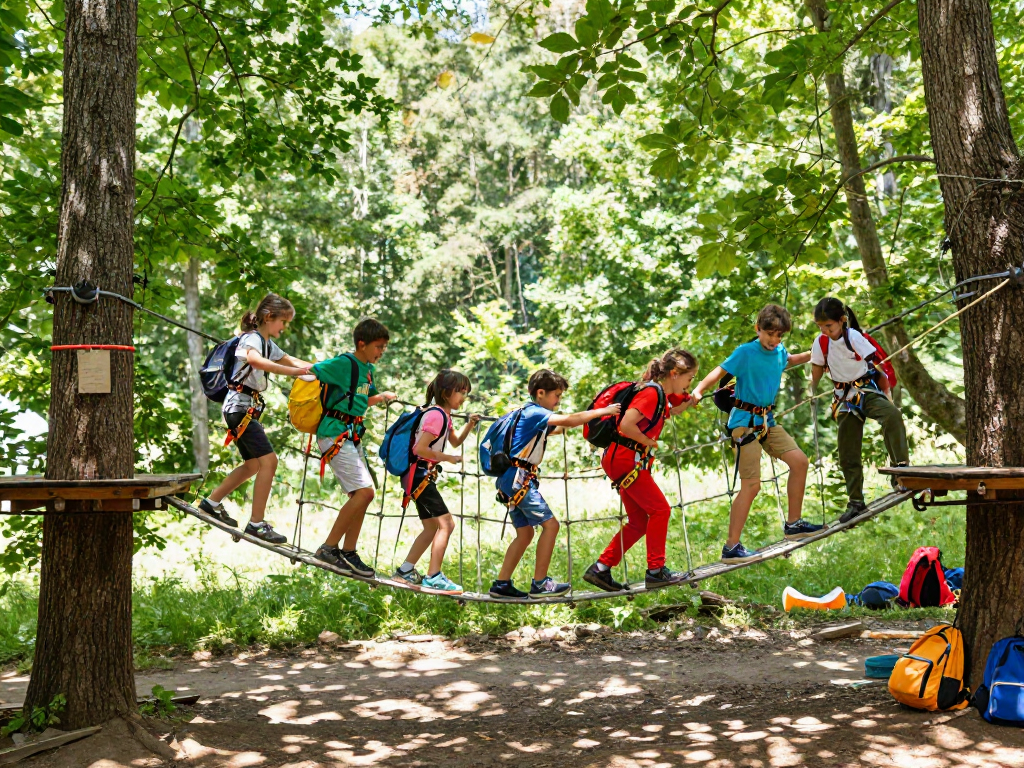
Understanding the Structure of Rope Bridges
A rope bridge is an innovative and functional construction that has been utilised for centuries to create pathways over difficult terrain, whether it be a deep ravine, a river, or to connect treehouses. The charm of a rope bridge lies not only in its practicality but also in the sense of adventure it provides to users, especially children. With the increasing popularity of outdoor play spaces, incorporating a Rope Bridge can enhance a play area significantly, offering not just a passage but also a unique recreational experience.
What is a Rope Bridge?
A rope bridge is typically made from ropes and other materials that suspend a platform, allowing for a flexible and lightweight crossing option. Unlike traditional bridges that require heavy materials like steel and concrete, a rope bridge can be constructed with minimal resources and offers a unique aesthetic that blends into natural surroundings. These structures can vary greatly in design and complexity, ranging from simple garden bridges to elaborate crossings in adventure parks.
The Materials Used in Rope Bridge Construction
The materials used in the construction of rope bridges are crucial for safety and durability. Commonly, these include:
- Ropes: High-strength synthetic ropes, such as polyester or nylon, are often preferred for their weather resistance and durability. The thickness of the rope can vary, but a standard diameter of about 1-1/8 inches is recommended for handrails and structural supports.
- Wooden Decking: If a platform is included, weather-treated wood is commonly used due to its strength and natural resistance to the elements.
- Fasteners: High-quality, rust-resistant bolts and connectors ensure the structural integrity of the bridge.
- Anchor Points: Secure anchorage is critical for stability; therefore, well-embedded posts or trees are often employed.
Design Variations: Exploring Different Types of Rope Bridges
Rope bridges come in various designs, each serving different functional and aesthetic purposes. Here are a few popular types:
- Single Rope Bridge: This design features one main rope that supports the bridge, often seen in survival training or adventure parks.
- Double Rope Bridge: Two parallel ropes support the platform and are used for increased stability and safety.
- Suspension Bridges: These include cables that extend to towers or trees, allowing for longer spans and greater heights, ideal for scenic viewpoints.
- Decorative Rope Bridges: Often designed for aesthetics in gardens or parks, these bridges can feature intricate weaving patterns and be complemented by surrounding landscapes.
Benefits of Incorporating Rope Bridges in Play Areas
The addition of a rope bridge to a play area can offer numerous benefits that enhance not only the physical environment but also contribute to children's development.
Enhancing Physical Skills and Coordination
Using a rope bridge requires balance and coordination, making it an excellent tool for developing physical skills. Children must navigate the sway and movement of the bridge, improving their core strength and agility. Activities that challenge motor skills, such as walking or crawling across a rope bridge, help children build confidence in their physical abilities.
Encouraging Social Interactions Among Children
Rope bridges also promote social play, as multiple children can interact while crossing. This type of play encourages teamwork, communication, and problem-solving, as children negotiate their way across together. Collaborative activities within play structures foster friendships and community among peers.
Building Confidence and Risk Assessment Skills
Using a rope bridge encourages children to assess risks and make decisions about their movements. Overcoming the challenge of crossing can boost self-esteem and provide a sense of accomplishment, which is crucial for developing resilience in young learners.
Safety Considerations for Rope Bridges
While rope bridges can offer immense benefits, safety must remain a paramount concern. Proper planning and execution are essential for creating a safe environment for children.
Choosing the Right Location for Installation
The placement of a rope bridge is critical. It should be installed in a safe area that is free from hazards, such as sharp objects, uneven ground, or potential collision points. Additionally, ensuring that the bridge is anchored securely in robust trees or structures will prevent accidents during use.
Essential Safety Equipment and Guidelines
To ensure the safe use of a rope bridge, several items should be considered:
- Helmet: Safety helmets can protect children from head injuries during falls.
- Padding: Adding soft landing zones under the bridge can cushion falls.
- Guardrails: Installing handrails or side supports can significantly reduce the risk of falls.
- Adult Supervision: Encouraging adult supervision during playtime ensures children are monitored and guided as needed.
Regular Maintenance Checks for Longevity
Maintenance is vital for the longevity and safety of rope bridges. Regular inspections should focus on checking the integrity of the ropes, connectors, and anchorage points. Ensure that wear and tear are promptly addressed, replacing any frayed or damaged materials to maintain safety standards.
How to Construct a DIY Rope Bridge
Creating a rope bridge can be a rewarding project for families and communities. Below, we outline a step-by-step guide for constructing your own rope bridge safely and effectively.
Step-by-Step Guide to Building Your Rope Bridge
- Plan Your Design: Sketch out your design, considering the length and width of the bridge based on the space available.
- Gather Materials: Collect all necessary materials, including ropes, wooden planks, fasteners, and tools.
- Prepare the Site: Clear the area where the bridge will be installed, ensuring stable ground and suitable anchor points.
- Construct the Bridge: Securely install the ropes and planks according to your design while ensuring all connections are tight.
- Safety Check: Test the bridge’s stability before allowing use. Ensure all components are secure and perform a safety inspection.
Common Mistakes to Avoid in Construction
While constructing a rope bridge, it is essential to be aware of common pitfalls:
- Neglecting safety inspections can lead to accidents.
- Using inappropriate materials that do not withstand outdoor conditions.
- Overestimating the load-bearing capacity of the bridge.
- Failing to involve children in the design process, which can enhance their interest and connection to the structure.
Tips for Involving Children in the Building Process
Involving children in the construction of a rope bridge can be a fantastic learning experience. Here are tips to consider:
- Educational Opportunities: Teach children about the importance of safety and measurements during the project.
- Creative Input: Allow children to suggest the bridge design or decoration ideas, fostering their creativity.
- Hands-On Experience: Assign age-appropriate tasks to ensure they are actively involved without compromising safety.
The Future of Rope Bridges in Outdoor Play
With the growing emphasis on outdoor play and adventure, the future of rope bridges looks promising. Innovations in design and materials are expected to enhance these structures' safety and functionality.
Emerging Trends in Outdoor Adventure Playgrounds
Adventure playgrounds are increasingly incorporating rope bridges, with designs that encourage exploration and risk-taking. Features that combine climbing, swinging, and balancing will continue to be popular, as they meet children’s developmental needs while providing thrilling play experiences.
Incorporating Sustainability in Rope Bridge Design
As sustainability becomes a priority in playground design, many are opting for environmentally friendly materials. This includes the use of recycled plastics for flooring and sustainably sourced wood for frameworks. Future designs may also focus on minimising environmental impact while providing engaging play opportunities.
Expert Insights on Play Trends for 2026 and Beyond
Experts predict that the focus on inclusive play areas will increase. Rope bridges that include features for children of all abilities will become more common, ensuring that everyone can participate in outdoor adventures. Furthermore, tech integration, such as augmented reality experiences on rope bridges, could add an exciting layer to outdoor play.
What safety features should I consider for a rope bridge?
Ensure that safety features such as guardrails, helmets, and padding are incorporated into your design to protect users from falls and accidents.
How do rope bridges help in child development?
Rope bridges improve physical skills, foster social interactions, and build confidence, which are all vital components of child development.
What materials are best for building a rope bridge?
Highly durable materials like polyester and nylon ropes, treated wood, and rust-resistant hardware are best for constructing a sturdy and safe rope bridge.
Can adults use rope bridges safely?
With proper construction and safety measures in place, adults can safely use rope bridges, although it is best to ensure the design supports their weight adequately.
Are there any alternatives to traditional rope bridges?
Alternatives such as wooden plank bridges or metal suspension bridges can provide similar functionality, though they may lack the unique aesthetic of rope bridges.