Understanding Community Food Cooperatives
In an era where health and sustainability are becoming paramount, food cooperatives are emerging as a transformative approach to local food access. These community-based organizations are not just about providing food; they are about creating a sustainable food system that supports local farmers, nourishes individuals, and strengthens community ties. At the forefront of this movement is Sonoma Springs Community Hall, which has become a vital hub for local food initiatives in the Sonoma Valley. As we explore food cooperatives, we will delve into their benefits, the role of Sonoma Springs Community Hall, and how you can get involved in this essential local movement. For more insights, visit springshall.org.
What is a Food Cooperative?
A food cooperative, or food co-op, is a business owned and operated by a group of individuals who come together to meet their common needs—primarily access to affordable, healthy food. Unlike traditional grocery stores, food cooperatives emphasize community ownership and participation, which allows members to have a direct say in how the co-op is run and what products it offers. These co-ops often prioritize local sourcing, aiming to support regional farmers and ensure that members have access to fresh, organic produce.
Benefits of Local Food Cooperatives
- Economic Stability: By purchasing from local farms, food cooperatives help keep money within the community, bolstering the local economy.
- Access to Fresh Produce: Co-ops provide members with access to seasonal, organic produce that might otherwise be unavailable or too expensive.
- Social Bonds: Food co-ops foster community interaction, allowing members to connect, share knowledge, and support one another.
- Education: Many food cooperatives offer workshops and resources about healthy eating, sustainability, and the importance of local agriculture.
How Food Cooperatives Support Community Health
Food cooperatives play a critical role in addressing food insecurity and promoting health within communities. By providing affordable access to nutritious food, they directly combat issues such as obesity and malnutrition. Furthermore, food cooperatives often organize educational programs to teach members about cooking, nutrition, and sustainable farming practices, empowering individuals to make healthier choices. They not only serve as food sources but also as educational centers that contribute to overall community well-being.
The Role of Sonoma Springs Community Hall
History of the Springs Hall's Community Engagement
Since its inception, the Sonoma Springs Community Hall has been dedicated to serving the needs of the local community. Originally established as a gathering place, it has evolved into a key player in local food initiatives, particularly through programs like Farmer's Friend and collaborations with Food For All. Through these efforts, the Hall has consistently provided a space for community members to come together and address food access issues, ensuring that everyone in Sonoma Valley can obtain healthy food.
Current Initiatives by springshall.org
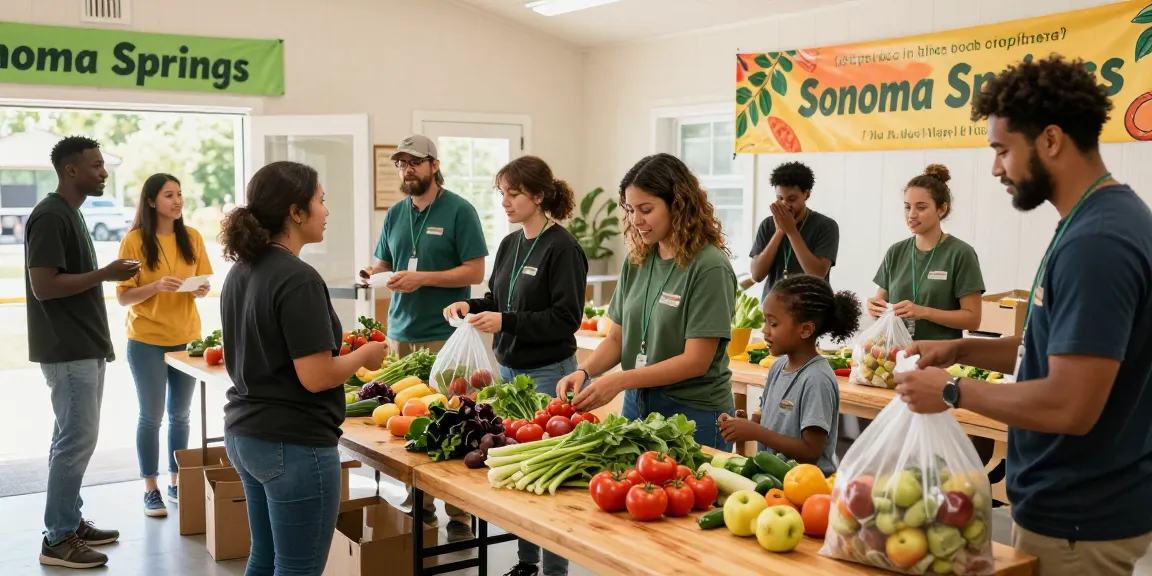
The Springs Hall actively supports various initiatives aimed at improving food access. One of the most impactful is the Farmer's Friend program, which connects local farmers with community members in need. By facilitating food distributions and offering educational resources, the Hall works to create a more equitable food system in the Sonoma Valley. Additionally, the Hall hosts regular pop-up markets and food distribution events, providing a venue for local farmers to sell their produce directly to consumers.
Impact of the Hall on Local Agriculture
Through its partnerships with local farms, the Sonoma Springs Community Hall has had a significant impact on the region's agricultural landscape. The Hall facilitates the distribution of excess produce from farms that might otherwise go to waste, ensuring that food reaches those who need it most. This model not only supports local agriculture but also reduces food waste and enhances food security in the community. By advocating for local farmers and providing a platform for their goods, the Hall fosters a sustainable agricultural environment in Sonoma Valley.
Successful Food Distribution Programs
Details of the Farmer's Friend Program
The Farmer's Friend program is a cornerstone of the community's efforts to connect local farmers with residents facing food insecurity. This initiative focuses on gleaning excess produce from local farms and distributing it to those in need. Since its launch, the program has successfully delivered thousands of pounds of nutritious food to families, demonstrating the power of community collaboration in addressing food access challenges.
Collaborations with Local Farmers
The success of the Farmer's Friend program stems from its robust partnerships with local farmers. By working closely with producers such as Paul’s Produce, Oak Hill Farm, and Cannard Farm, the Springs Hall ensures a steady supply of fresh, organic produce for distribution. These collaborations not only support local agriculture but also create a sense of community among farmers and supporters who are all committed to improving food access for everyone in the valley.
Measuring Success and Community Impact
Success for the Springs Hall and its initiatives is measured not just by the amount of food distributed but also by the positive feedback and engagement from community members. Metrics such as the number of families served, the volume of produce distributed, and the level of community involvement in volunteering and donating are all indicators of the program's impact. Surveys and community forums help gather insights on how well these initiatives meet the community's needs, allowing for continuous improvement and adaptation.
Getting Involved with springshall.org
Volunteer Opportunities Available
The Springs Hall welcomes community members to get involved through various volunteer opportunities. From helping with food distribution events to assisting in the organization of educational workshops, there are numerous ways for individuals to contribute their time and skills. Volunteering not only provides essential support for ongoing programs but also fosters connections among community members who share a passion for food access and sustainability.
How to Donate and Support Local Farms
Donations play a crucial role in sustaining the initiatives at Sonoma Springs Community Hall. Financial contributions help cover operational costs, support local farmers, and fund educational programs aimed at enhancing food access. Community members are encouraged to make donations, whether through direct financial contributions or by supporting local food events. Every little bit helps in making nutritious food available to those in need.
Joining the Conversation on Food Access
Engaging in discussions about food access and local agriculture is essential for driving change within the community. The Springs Hall often hosts community meetings and forums where members can share their thoughts, ideas, and experiences related to food access. By participating in these conversations, individuals can contribute to shaping future initiatives and ensure that the voices of all community members are heard.
Looking Ahead: The Future of Food Cooperatives
Trends Shaping Food Cooperatives in 2026
As we look to the future, food cooperatives are expected to evolve in ways that better meet the needs of their communities. Trends such as increased digital engagement, a growing emphasis on local sourcing, and the incorporation of technology for efficient operations will shape how food cooperatives function. Furthermore, the demand for transparency in food sourcing will continue to drive co-ops to provide detailed information about the origins of their products.
Challenges and Opportunities for Springs Hall
Despite the successes, the Springs Hall faces ongoing challenges, including fluctuating funding, changes in community needs, and competition from larger grocery chains. However, these challenges also present opportunities for growth and innovation. By adapting to changing circumstances and finding new ways to engage the community, the Hall can continue to thrive and play a pivotal role in promoting food access and supporting local agriculture.
Building a Sustainable Future Together
Creating a sustainable future in food access requires collaboration among all stakeholders—farmers, consumers, and organizations. The Springs Hall is committed to fostering these relationships and ensuring that everyone in the community has a voice in shaping the local food system. By working together, community members can create a resilient food network that meets the needs of all, regardless of their circumstances.
What is the Impact of Community Support?
The impact of community support is profound in the realm of food cooperatives. Engaged community members strengthen the cooperative's foundation by providing feedback, volunteering, and advocating for local initiatives. This collaborative spirit not only enhances the effectiveness of food distribution programs but also cultivates a sense of belonging and purpose among participants.
How Food Cooperatives Can Evolve
Food cooperatives must continually adapt to address emerging challenges and opportunities in the food landscape. By embracing innovation, leveraging technology, and fostering inclusivity, food cooperatives can evolve into more robust community resources. This evolution will ensure their relevance in a rapidly changing world, maintaining their mission to provide equitable access to nourishing food.