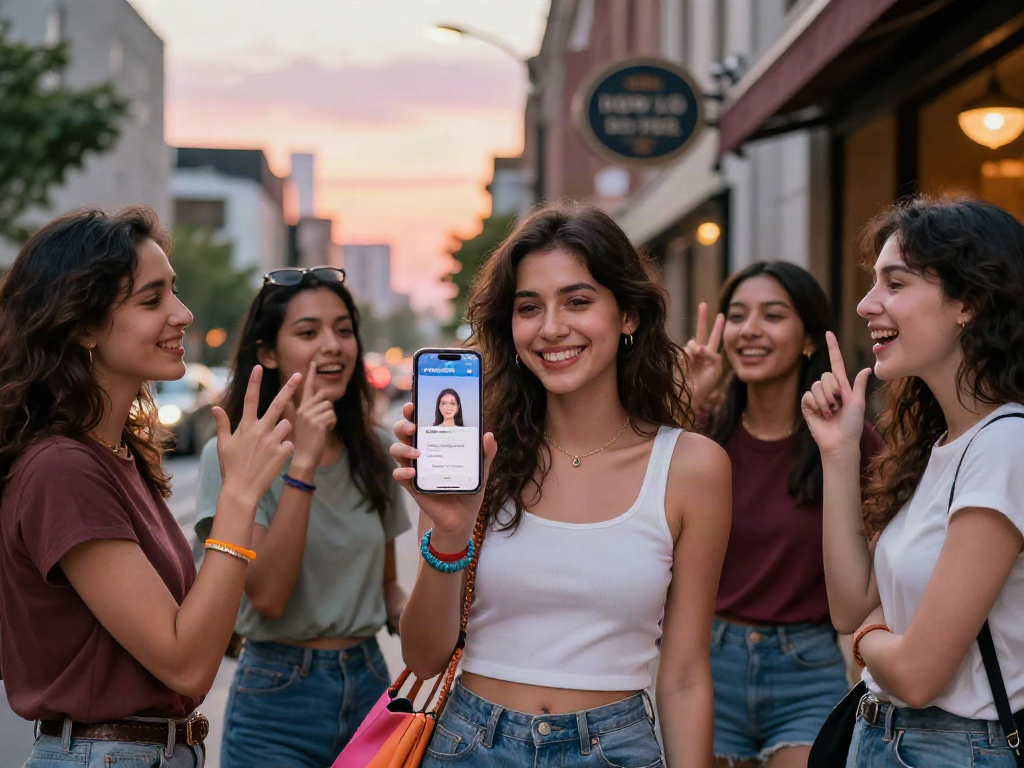
Understanding Attractiveness Tests
In a world increasingly influenced by visual cues, the concept of beauty and attractiveness has taken on new dimensions. An attractiveness test provides individuals with insights into how they perceive themselves compared to broader societal standards. By employing advanced technology and psychological research, these assessments facilitate a deeper understanding of one’s own appearance and the subjective nature of beauty.
What is an Attractiveness Test?
An attractiveness test typically involves the use of algorithms and facial recognition technology to analyze various features of a person's face. These tests measure traits such as symmetry, proportion, and the alignment of facial features based on established beauty standards, including the golden ratio. They often allow users to upload a photo and receive a score that reflects perceived attractiveness. Today, many online platforms provide accessibility to these tests, making them a popular tool for self-exploration and curiosity.
The Science Behind Attractiveness Perception
Attractiveness is not merely subjective; it is deeply rooted in biology and psychology. Research indicates that humans are naturally drawn to symmetry and proportion, which often signal genetic fitness and health. For instance, studies show that symmetrical faces are consistently rated as more attractive across different cultures. Additionally, biological factors such as pheromones and even voice pitch can influence attraction, demonstrating that multiple elements interplay to form our perceptions of beauty.
Types of Attractiveness Tests Available
Attractiveness tests can vary significantly in their methodologies and focus lenses. Some common types include:
- AI-Powered Facial Scoring: These utilize artificial intelligence to assess facial features against standard metrics of beauty.
- Self-Assessment Quizzes: These include subjective questions that gauge personal feelings toward one’s appearance.
- Comparison Tests: These allow users to compare their attractiveness scores against a broad database of results.
How Attractiveness Tests Work
Analyzing Facial Features and Symmetry
The foundation of an attractiveness test lies in analyzing key facial features. The algorithms assess the relationship between the eyes, nose, mouth, and overall facial structure. For instance, a common measure is the bilateral symmetry of the face, where features mirrored on either side are compared. The more symmetrical the features, the higher the attractiveness score tends to be. Additionally, tests may evaluate the size and placement of features, with specific ratios often associated with aesthetic appeal.
Technologies Used in AI Attractiveness Tests
Modern attractiveness tests leverage a blend of computer vision, machine learning, and facial recognition technologies. These systems use deep learning models that have been trained on vast datasets of facial images to recognize patterns associated with beauty. For example, neural networks may analyze thousands of celebrity portraits to extract common features viewed as attractive, applying this knowledge to evaluate user-submitted photos.
Interpreting Your Attractiveness Score
Your score from an attractiveness test typically ranges on a scale, often from 1 to 10. This score is generated based on the features assessed and the comparative data from other users. Interpretation can vary, but higher scores often indicate a face that aligns well with prevailing beauty standards. Users should approach these scores critically, recognizing the subjective nature of beauty and the limitations of such assessments.
The Impact of Social Media on Attractiveness Tests
Trends in Online Attractiveness Assessment
Social media platforms have significantly shaped how we view attractiveness. Trends such as filters and beauty editing apps create a pervasive culture of idealized beauty, impacting the outcomes of attractiveness tests. Users often find themselves influenced by trends, resulting in skewed perceptions of what constitutes beauty. Consequently, those taking attractiveness tests frequently reflect these unrealistic standards in their photos and expectations.
How Influencers Shape Perceptions of Beauty
Influencers play a pivotal role in defining attractiveness standards, amplifying certain features or looks that garner attention. By showcasing specific beauty ideals, they contribute to the expectations users bring to attractiveness tests. This phenomenon leads to a cycle where users modify their appearances to meet these influencer-driven standards, further influencing the results obtained from attractiveness assessments.
Privacy Concerns and Ethical Considerations
As technology evolves, privacy concerns surrounding attractiveness tests grow. Many users are unaware of how their submitted photos and data are utilized. Ethical considerations must be at the forefront, particularly regarding data security and the potential for misuse of images. Transparency in how platforms operate and how data is stored and used is crucial in maintaining user trust.
Future of Attractiveness Tests in 2026
Emerging Technologies and Innovations
The next few years promise exciting advancements in the realm of attractiveness tests. Innovations in augmented reality (AR) and virtual reality (VR) could lead to immersive testing experiences, where users engage with their scores in real-time environments. Additionally, the integration of more complex algorithms can provide deeper insights into not just facial beauty but overall personal style and attractiveness.
Predictive Analytics in Beauty Standards
Predictive analytics will play a significant role in shaping future attractiveness tests. By analyzing trends and user data, platforms may anticipate changing beauty standards and adjust their algorithms accordingly. This adaptive approach will ensure that attractiveness tests remain relevant and reflective of real-time societal shifts in beauty perception.
Changing Demographics and Their Preferences
As demographics evolve, so too will the definitions of attractiveness. The increasing diversity of face shapes, skin tones, and beauty ideals will push the boundaries of traditional attractiveness tests. Platforms that embrace this diversity will not only gain user trust but also reflect a more comprehensive view of beauty in society, aligning with the global movement toward inclusivity.
Common Misconceptions About Attractiveness
Debunking Myths Surrounding Beauty Standards
One prevalent misconception is that attractiveness is purely based on physical appearance. While visual elements play a vital role, personality traits, confidence, and charisma are equally significant in shaping perceptions of beauty. Understanding this holistic view can help individuals appreciate their attractiveness beyond mere physical metrics.
Understanding Cultural Influences on Attractiveness
Cultural background heavily influences what is deemed attractive. Different societies hold unique standards shaped by historical, social, and economic factors. For instance, preferences for body types, skin color, and facial features can vary dramatically across cultures. Attractiveness tests must acknowledge these cultural dimensions to provide more meaningful assessments.
The Role of Self-Perception in Attractiveness Testing
Self-perception significantly impacts how individuals view themselves and their attractiveness. A positive self-image often correlates with higher confidence and perceived beauty. By promoting healthy self-perception, users can engage with attractiveness tests in a way that fosters self-improvement rather than self-criticism.
What are the Benefits of Taking an Attractiveness Test?
Participating in an attractiveness test can yield several benefits, including:
- Insight into Personal Appearance: Users can gain a better understanding of how their features are perceived.
- Encouragement for Self-Improvement: Tests can highlight features to enhance or styles to consider.
- Positive Self-Reflection: Testing can promote discussions about beauty diversity and personal standards.
Are Attractiveness Tests Accurate?
While attractiveness tests employ sophisticated algorithms, accuracy can vary. These tests primarily assess features based on generalized beauty standards, which may not resonate personally with every individual. Although they serve as a fun tool, users should remain aware of their subjective nature and avoid overemphasizing their scores.
How Can I Improve My Score on an Attractiveness Test?
Improving your score on an attractiveness test often involves enhancing self-care routines and experimenting with personal style. Here are some tips:
- Focus on skincare routines to enhance complexion.
- Experiment with different hairstyles and makeup to find what suits you best.
- Work on posture and confidence, as these traits significantly impact perceived attractiveness.
What Factors Do Attractiveness Tests Consider?
Attractiveness tests typically consider a variety of factors, including:
- Facial symmetry and proportions.
- Skin tone and texture.
- Eye shape, size, and color.
- Nose shape and alignment.
- Mouth dimensions and smile.
Can Attractiveness Tests Be Used Professionally?
Yes, attractiveness tests can serve various professional purposes, from modeling agencies seeking new talent to marketing teams assessing brand ambassadors' appeal. However, ethical considerations must remain paramount to ensure respectful and positive representation of individuals tested.