Understanding the Concept of Age Estimation
Every day, people ponder questions about their appearance and how they are perceived by others. The inquiry "how old do I look" encapsulates curiosity about how one's facial features, skin texture, and overall presentation correspond to age. This intriguing question has led to the development of various tools and technologies designed to analyze facial features and provide an estimated age. Such tools are increasingly popular, as they offer not only entertainment but also self-reflection opportunities.
As we delve into the concept of age estimation, we will explore its scientific basis, the methods used, and the relationships between perceived age and societal standards.how old do i look is a common phrase that captures the essence of this inquiry.
What Does "How Old Do I Look" Mean?
The phrase "how old do I look" reflects a desire for validation and a benchmark for societal norms surrounding youth and beauty. It is a subjective question where the answer can significantly differ based on cultural contexts. In some societies, looking younger than one's actual age is celebrated, while in others, age may be associated with wisdom and respect. This discrepancy fuels the popularity of tools that estimate age, providing users with a tangible answer to a subjective question.
The Science Behind Facial Age Estimation
Age estimation is fundamentally rooted in biological and psychological sciences. Various factors, such as skin elasticity, wrinkle depth, and facial volume, play crucial roles in how age is perceived. Studies have shown that our brains are wired to assess age based on these visual cues, often making snap judgments within seconds of seeing someone's face.
Additionally, factors like environmental influences and lifestyle choices—such as diet, sun exposure, and stress levels—can accelerate or slow down the aging process, affecting how old a person appears. These factors are often analyzed by age estimation algorithms, which use machine learning to predict biological age based on extensive data sets.
Popular Methods Used for Age Estimation
The rise of technology has seen the development of various methods for age estimation, each harnessing unique algorithms and techniques:
- Facial Recognition Software: Algorithms compare someone’s facial features to a vast database of images to predict age.
- AI and Machine Learning: Advanced tools analyze patterns in facial aging, including the presence of wrinkles, pigmentation, and skin texture.
- Mobile Applications: User-friendly apps allow individuals to upload their photos for instant age analysis, making it a fun social activity.
How AI Technology Enhances Age Estimation
Artificial Intelligence (AI) is reshaping various sectors, and age estimation technologies are no exception. By utilizing deep learning techniques, AI systems can deliver increasingly accurate assessments of perceived age in mere seconds, making them accessible to everyone.
Overview of AI Age-Guessing Applications
AI-powered age-guessing applications have mushroomed in recent years, providing users with an engaging way to explore their appearance. These applications can analyze an uploaded photograph, evaluate distinct facial characteristics, and return an estimated biological age based on the information gleaned from a vast array of data. The user experiences reflect a balance of curiosity and excitement, as they await the results of their digital examination.
Accuracy and Privacy in Age Estimation Tools
While the accuracy of age estimation tools has improved dramatically, concerns regarding privacy remain a hot topic. Users must be cautious about the permissions they grant, especially when it comes to uploading personal images. Reliable platforms often emphasize data security, claiming that user data will not be stored or shared without consent. This commitment to privacy is crucial as public awareness of data security grows.
Why AI Is a Game-Changer for Users
AI technology introduces a level of personalization and accuracy previously unattainable in age estimation. The ability to analyze minute facial details enables users to see themselves from a different perspective. Additionally, this technology offers insightful feedback that can empower individuals to enhance their self-image and well-being, bridging the gap between perceived and biological age.
Engaging with Friends: The Social Aspect
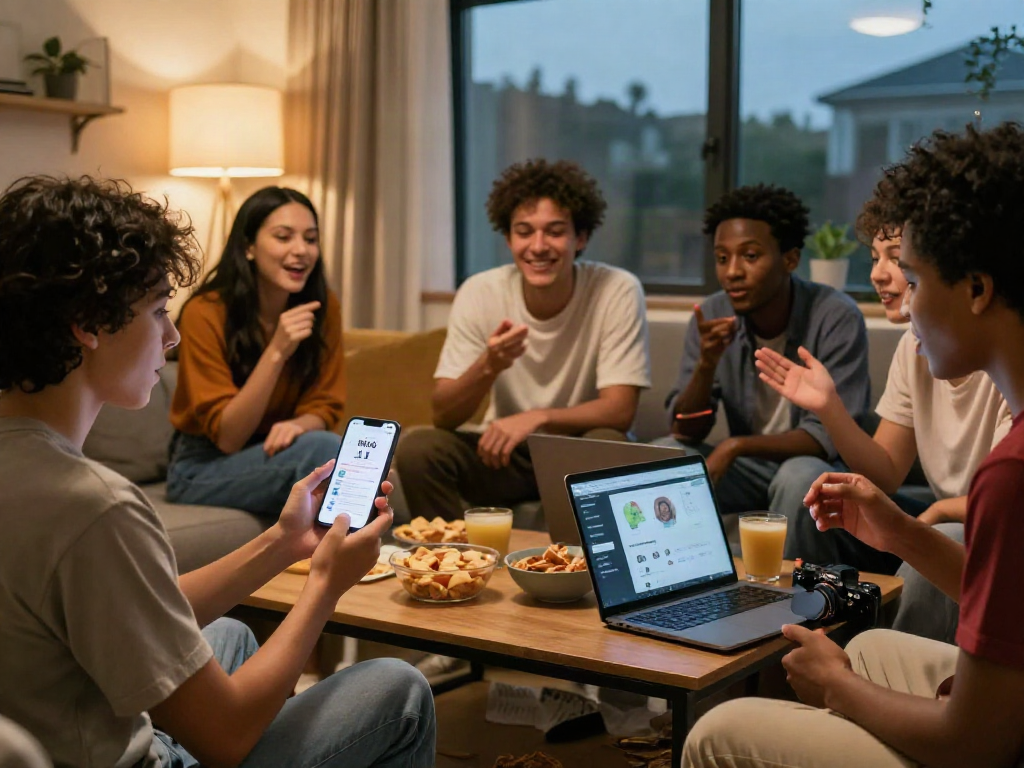
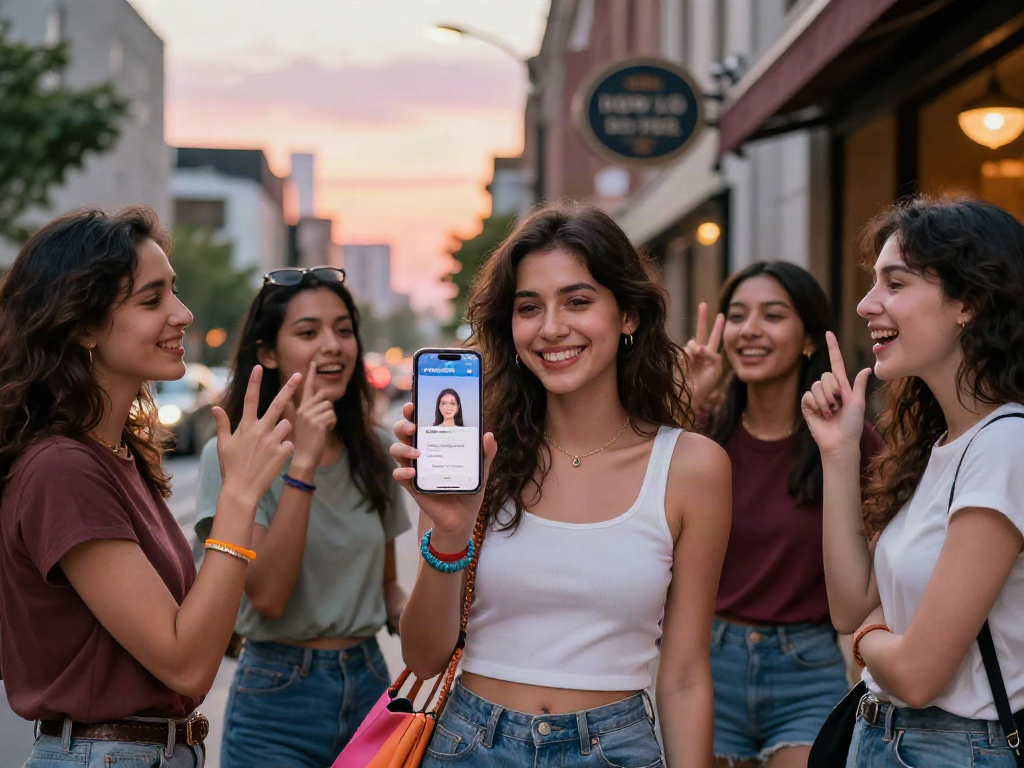
Sharing age estimation results has become a modern form of entertainment, transforming what once was an individual inquiry into a group activity. Engaging with friends around this question can lead to light-hearted discussions, allowing people to connect over common themes of age and appearance.
How Age Estimation Becomes a Fun Activity
Many users find it enjoyable to compare age estimates with family and friends, often resulting in playful banter. This communal aspect fosters connection and laughter, drawing people together as they share the experience of uploading photos and awaiting results. These applications can serve as icebreakers during social gatherings, encouraging interactions based on curiosity and humor regarding age perception.
Creating Memorable Experiences with Friends
Utilizing age estimation tools in group settings can lead to memorable experiences, whether during parties, gatherings, or even casual hangouts. Activities can range from friendly competitions to see who looks the youngest to discussions about beauty standards and societal perceptions of aging.
Potential Risks of Age Guessing in Social Settings
Despite the fun, there are potential pitfalls associated with age estimation, particularly concerning self-esteem and body image. Individuals may feel sensitive about their perceived age, leading to uncomfortable situations if the experience does not meet their expectations. It's crucial to approach these activities with sensitivity and understanding, ensuring that all participants feel secure and validated.
Using Age Estimation for Self-Improvement
Beyond entertainment, the knowledge gained from age estimation can serve as a powerful tool for self-improvement. Understanding the difference between perceived and biological age can motivate individuals to make lifestyle changes that enhance their appearance and overall well-being.
Understanding Perceived vs. Biological Age
Perceived age refers to how old a person appears to others, while biological age is determined by physiological factors. This distinction can prompt individuals to reflect on their health practices and consider modifications that positively impact both aspects. For example, someone who appears older than their actual age may choose to adopt healthier skincare routines or lifestyle adjustments.
Tips for Enhancing Your Appearance Based on Feedback
Individuals seeking to improve their appearance can benefit from the insights gleaned through age estimation tools. Here are some actionable tips:
- Skincare Routine: Invest in products that target issues like fine lines, pigmentation, and sun damage.
- Nutrition: Adopt a balanced diet rich in antioxidants, vitamins, and minerals that promote skin health.
- Exercise: Regular physical activity can improve overall vitality, enhancing both physical appearance and mental clarity.
Real-Life Success Stories Using Age Estimation
Numerous individuals have successfully used age estimation tools to transform their lives. For example, one woman reported that after realizing she looked older than her chronological age, she dedicated herself to a new fitness regime and revamped her skincare routine, ultimately leading to improved confidence and a younger appearance. These types of stories highlight the potential of age estimation as a catalyst for personal growth.
Future Trends in Age Estimation Technology
As technology evolves, the future of age estimation looks promising. Innovations will likely reshape how we perceive and analyze age, paving the way for more accurate assessments and interactive experiences.
Emerging Features in Age Estimation Tools
We can anticipate a surge in interactive features in age estimation applications, such as augmented reality filters and live scans that provide instant feedback. These advancements will enhance user engagement, making the process even more enjoyable.
How Social Media Influences Age Perception
In the digital age, social media plays a significant role in shaping perceptions of age and beauty. Platforms heavily influence what is considered attractive, often setting unrealistic standards. Consequently, age estimation tools may help individuals reconcile their self-image with social media portrayals, encouraging a healthier mentality towards aging.
What to Expect in 2026 and Beyond
Looking ahead, we can expect advancements in AI algorithms that allow for deeper insights into the aging process, providing users with tailored advice on health and appearance. As these tools become more sophisticated, they will likely incorporate additional health metrics for a more holistic view of aging.
What is the best age estimation app?
The best age estimation app varies based on user preferences, but features like accuracy, user-friendliness, and privacy policies are crucial factors to consider. Popular choices include FaceAge.ai and Fotor, both known for their AI-driven age analyses.
Are age guessers accurate?
While age estimators can provide general insights, their accuracy isn't foolproof. Factors such as lighting, facial expressions, and photo quality can influence results. Users should view these tools as fun rather than definitive measures.
How does facial recognition work for age prediction?
Facial recognition for age prediction uses complex algorithms that dissect images, identifying patterns and markers linked to aging, including skin texture and facial structure changes. By comparing these features against extensive databases, the software can provide an estimated age.
Can I trust the privacy of these apps?
Privacy in age estimation applications is a valid concern. Users should always review privacy policies and ensure that their data is securely handled. Reputable apps typically implement robust security measures to protect user information.
What trends are shaping the future of age estimation?
Trends influencing the future of age estimation include advancements in AI technology, increased personalization of applications, and a growing emphasis on user privacy and data protection. These trends will likely drive the evolution of how we perceive and interact with age estimation tools.