Understanding Containerized Water Treatment Systems
Containerized water treatment systems are an innovative solution designed to meet the growing demand for efficient and flexible water treatment processes. These modular systems are engineered for adaptability, making them suitable for various industries including municipal, industrial, and remote applications. Whether addressing the challenges of poor water quality or providing a reliable source of drinking water in emergencies, containerized systems offer a unique approach to water management. When exploring options, Containerized water treatment systems provide comprehensive insights into modern water treatment solutions that are both effective and sustainable.
What Are Containerized Water Treatment Systems?
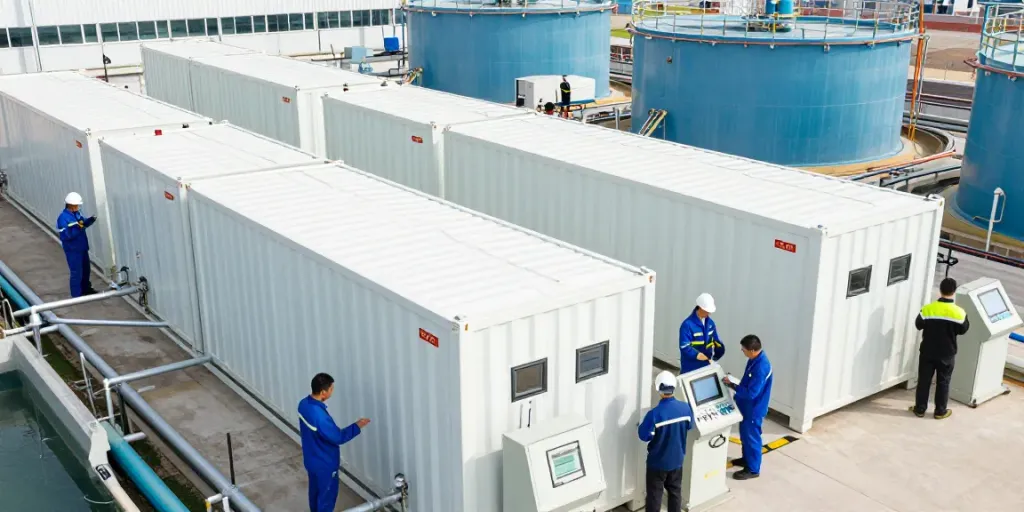
Containerized water treatment systems are portable, self-contained units specifically designed to treat water from various sources. These systems can be easily transported and installed, offering significant advantages over traditional fixed water treatment facilities. Built within ISO shipping containers, they encapsulate the entire water treatment process within a compact structure, facilitating rapid deployment in various locations. This makes them particularly valuable in areas lacking stable infrastructure or where quick water supply solutions are necessary.
Key Components and Technologies Involved
The efficiency of containerized water treatment systems is derived from several key components and technologies:
- Filtration Units: Advanced filtration technologies such as microfiltration, ultrafiltration, and reverse osmosis ensure the removal of contaminants from the water.
- Disinfection Systems: Methods like UV treatment or chemical disinfection ensure that pathogens are eliminated, resulting in safe drinking water.
- Monitoring Systems: Integrated sensors and intelligent control systems allow for real-time monitoring of water quality, enabling prompt adjustments to treatment processes.
- Modular Design: The containerized approach allows for the easy addition of treatment modules as needed, ensuring scalability in response to changing demands.
Applications in Various Industries
Containerized water treatment systems find applications across multiple sectors:
- Municipal Use: Local governments utilize these systems to enhance water supply during crises or when permanent infrastructure is not viable.
- Industrial Applications: Factories and manufacturing plants often require high-purity water for processes, making containerized systems a popular choice.
- Remote Locations: These systems are essential in remote areas where traditional water treatment infrastructure is unavailable, such as mining sites or disaster recovery zones.
- Pharmaceuticals and Laboratories: High-purity water systems are critical in laboratories, ensuring compliance with stringent quality standards.
Comparative Analysis: Containerized vs. Traditional Systems
Time and Cost Efficiency
One of the most significant advantages of containerized water treatment systems is their rapid deployment time. While traditional systems often require extensive on-site construction and can take 3-6 months to set up, containerized systems can be operational within 3-7 days. This efficiency can reduce project timelines significantly, making these systems a cost-effective solution for urgent water treatment needs.
Space Requirements and Installation Flexibility
Traditional water treatment facilities typically require considerable space for civil engineering and construction. In contrast, containerized systems need only a flat area for placement, requiring approximately 50% less floor space. This compact nature offers exceptional flexibility in deployment, particularly in urban environments or locations with limited land availability.
Monitoring and Quality Control Features
Containerized systems are equipped with advanced monitoring technologies that facilitate real-time quality control. Traditional systems often depend on manual processes, leading to inconsistencies in water quality. The intelligent control systems integrated into containerized units allow for automation and remote monitoring, ensuring that any deviations from desired quality are promptly addressed.
Benefits of Containerized Systems in Water Treatment
Modular Flexibility for Diverse Scenarios
Containerized water treatment systems boast remarkable modular flexibility. This feature enables operators to customize the treatment processes according to specific requirements or to adapt quickly to changing circumstances. Modular components can be added or removed effortlessly, allowing facilities to scale operations up or down based on current water treatment needs.
High Reusability and Sustainability
One of the standout features of containerized systems is their reusability. With a reusability rate exceeding 90%, these systems can be relocated and repurposed for different projects without considerable loss of functionality. This aspect aligns well with sustainability goals, as it minimizes waste and promotes resource efficiency.
Resource Recycling Capabilities
Containerized water treatment systems integrate advanced resource recycling technologies, facilitating the reuse of reclaimed water. By incorporating reclaimed water reuse modules, these systems can achieve a recycling rate of up to 80%, significantly contributing to environmental conservation and resource management.
Case Studies: Success Stories Using Containerized Solutions
Municipal Applications: Enhancing Local Water Supply
In cities facing water shortages, containerized water treatment systems have been deployed to provide immediate relief. For instance, a municipal government in an arid region implemented a containerized solution to treat groundwater, which significantly improved the local water supply within weeks, enhancing community health and resilience.
Industrial Use: Maximizing Efficiency in Manufacturing
In manufacturing sectors where high-quality water is critical, such as textile or electronics production, containerized systems have been successfully utilized to maintain production standards. A recent project in an electronics plant integrated a high-purity water treatment system that ensured compliance with international quality standards while reducing operational costs by over 30%.
Remote Applications: Providing Clean Water in Challenging Environments
In remote locations, such as mining operations or disaster relief scenarios, containerized water treatment systems have created reliable water sources. For example, during a recent natural disaster, a containerized system was deployed to provide potable water to thousands of displaced persons, demonstrating the quick response potential of these technologies.
Future Trends in the Containerized Water Treatment Sector
Technological Advancements on the Horizon
The containerized water treatment sector is poised for significant technological advancements, including enhanced automation and AI integration. These technologies promise to further streamline operations, improve water quality monitoring, and reduce the human labor required for effective system management.
Meeting Environmental Regulations and Standards
As global water challenges become more pressing, adherence to environmental regulations will drive innovations in containerized systems. Companies will increasingly focus on developing solutions that meet stricter water quality standards while minimizing ecological footprints.
Predictions for 2026 and Beyond
Looking ahead to 2026, the containerized water treatment market is expected to expand significantly. With growing awareness of climate change effects on water resources and increasing urbanization, the demand for these flexible and sustainable solutions will only grow. Innovations in energy-efficient technologies and smart water management will further solidify the role of containerized systems in global water treatment strategies.
What are the main advantages of containerized water treatment systems?
The main advantages of containerized water treatment systems include quick deployment, flexibility, reduced space requirements, high reusability, and advanced monitoring capabilities that ensure consistent water quality.
How do containerized systems compare to traditional water treatment solutions?
Containerized systems offer substantial time and cost savings compared to traditional solutions, with faster deployment and lower construction costs. Additionally, they require less space and are easier to relocate, making them ideal for various applications.
What industries benefit most from these innovative systems?
Industries such as municipal water supply, pharmaceuticals, manufacturing, and disaster response significantly benefit from containerized water treatment systems due to their adaptability and efficiency.
Can containerized systems be customized for specific needs?
Yes, containerized systems can be tailored to meet specific water treatment needs, allowing for the integration of various treatment technologies and processes as required by the user.
What are the sustainability impacts of using containerized water treatment systems?
Containerized systems contribute to sustainability by promoting resource recycling, reducing waste, and utilizing energy-efficient technologies. Their modular design also allows for easy repurposing, further minimizing environmental impact.