Understanding RT5880 PCB Manufacturing
In the fast-evolving world of electronic engineering, the choice of materials plays a crucial role in the performance and reliability of printed circuit boards (PCBs). One such high-performance material is RT5880, a polyarylene ether composite that caters to the demanding requirements of RF and microwave applications. With its excellent properties, RT5880 has become a preferred choice for manufacturers looking to produce high-frequency PCBs that meet stringent specifications. When exploring options, RT5880 PCB manufacturing offers insights into the practical applications and benefits of this advanced material.
What is RT5880 and Its Significance?
RT5880, produced by Rogers Corporation, is a composite material that consists of polytetrafluoroethylene (PTFE) combined with glass fiber. This unique composition provides several advantages: a low dielectric constant, low loss factor, and outstanding thermal stability, making it especially suitable for high-frequency applications. The material’s ability to maintain performance at elevated temperatures and under high-frequency conditions makes it essential in sectors such as telecommunications, aerospace, and military electronics.
The significance of RT5880 lies in its ability to support the growing demand for compact, high-speed data processing found in modern communication systems. As technology continues to advance, the need for efficient and reliable PCB designs becomes paramount, and RT5880 meets these challenges head-on.
Key Properties of RT5880 Materials
- Dielectric Constant: RT5880 boasts a low dielectric constant, typically around 2.2 to 2.4, which reduces signal loss and improves signal integrity in high-frequency applications.
- Loss Tangent: With a low loss tangent, RT5880 minimizes power loss, making it ideal for applications where efficiency is critical.
- Thermal Stability: The material can withstand high temperatures, providing excellent thermal cycling stability, which is essential for reliability in demanding environments.
- Moisture Resistance: RT5880 is inherently moisture-resistant, which prevents degradation of electrical performance in humid conditions.
Applications of RT5880 PCBs in Industry
RT5880 PCBs find applications across various high-tech sectors due to their advanced material properties. Some of the notable applications include:
- Antenna Feed Networks: Used in satellite communication antennas, RT5880 PCBs support efficient signal transmission and reception.
- Radar Systems: The material's performance at microwave frequencies makes it suitable for military and civilian radar applications.
- Microwave Amplifiers: RT5880 is widely utilized in RF amplification circuits, ensuring low distortion and high linearity.
- High-End Testing Equipment: Professional testing instruments leverage RT5880 PCBs to achieve precise measurements due to their stable electrical performance.
Common Misconceptions about RT5880 PCB Manufacturing
Myth: RT5880 is Too Expensive for General Use
One of the prevalent myths surrounding RT5880 is its perceived high cost, which deters some manufacturers from considering it for less critical applications. While it is true that RT5880 may have a higher initial material cost compared to conventional PCB materials, its long-term benefits often outweigh the upfront investments. The durability and performance advantages can lead to reduced operational costs and a lower failure rate, making it a cost-effective choice in the long run.
Myth: RT5880 Manufacturing Process is the Same as Standard PCBs
Another misconception is that the manufacturing process for RT5880 is similar to that of standard PCBs. In reality, RT5880 requires specialized handling due to its unique properties. This includes careful temperature control during lamination and specific treatment processes to ensure optimal bonding of layers. Understanding these differences is crucial for manufacturers looking to incorporate RT5880 into their production lines successfully.
Myth: All PCB Manufacturers Can Handle RT5880
While many PCB manufacturers may claim to work with various materials, not all have the expertise or equipment necessary for RT5880. The unique processing requirements demand specialized skills and machinery. Therefore, it is essential for companies to choose manufacturers with proven experience in handling Rogers materials to ensure optimal outcomes.
Best Practices in RT5880 PCB Design
Choosing the Right Design Software for RT5880
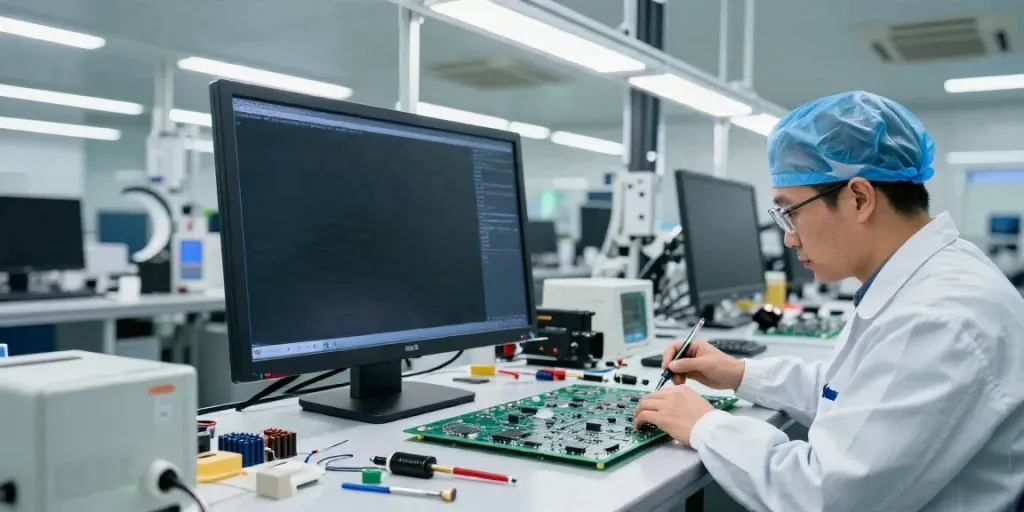
The design phase is critical when using RT5880 materials. Selecting the right PCB design software that supports high-frequency RF simulation is essential for effectively utilizing RT5880’s properties. Software like Altium Designer, Cadence OrCAD, and Mentor Graphics are popular choices that provide the necessary tools for detailed analysis and optimized layouts.
Tips for Effective Layouts and Routing
When designing with RT5880, consider the following tips for effective layouts:
- Minimize Layer Count: Reduce the number of layers in your PCB to lower costs and complexity while ensuring performance.
- Maintain Controlled Impedance: Design traces with controlled impedance to ensure signal integrity, particularly at high frequencies.
- Optimize Trace Width: Carefully calculate trace widths based on current requirements and characteristic impedance.
Thermal Management Considerations for RT5880 Designs
Effective thermal management is vital for any PCB design, particularly those utilizing RT5880. Engineers should incorporate heat sinks, adequate spacing between components, and thermal vias to maintain optimal performance and prevent overheating. Additionally, the choice of components with low thermal resistance can further enhance thermal management.
Challenges in RT5880 PCB Manufacturing
Managing Production Costs and Quality Control
While RT5880 provides numerous advantages, it also presents challenges in manufacturing, particularly regarding production costs and quality control. Manufacturers must invest in specialized equipment and training to ensure that they can produce high-quality PCBs consistently. Implementing rigorous quality control processes, including regular inspections and testing, can help mitigate these challenges.
Addressing Supply Chain Issues for Materials
Supply chain disruptions can pose significant challenges when procuring specialized materials like RT5880. Manufacturers should establish strong relationships with reliable suppliers and consider diversifying their material sources to minimize risks associated with availability and pricing fluctuations.
Mitigating Manufacturing Risks and Errors
Errors in the manufacturing process can be costly and time-consuming. Employing a robust quality management system and conducting pre-production testing can help identify potential issues early in the process. Additionally, manufacturers should ensure that their workforce is adequately trained to work with RT5880 and understands the unique challenges associated with its manufacturing.
The Future of RT5880 PCB Technology
Emerging Trends in PCB Manufacturing Technology for 2026
As technology continues to advance, the landscape of PCB manufacturing is evolving. In 2026, we expect to see trends such as increased automation in manufacturing processes, leading to greater efficiency and lower production costs. The integration of AI and machine learning will enhance design and manufacturing capabilities, allowing for more sophisticated products.
Impact of AI and Automation on PCB Production
Artificial intelligence and automation are set to revolutionize PCB production. AI can assist in optimizing designs through predictive analysis, helping engineers to foresee potential issues before they arise. Automation will streamline manufacturing processes, improving the overall yield and quality of RT5880 PCBs.
Future Applications and Innovations in RT5880
The future applications of RT5880 look promising, with potential growth in areas such as 5G communications, IoT devices, and autonomous vehicles. Innovations in material science may also yield enhanced properties for RT5880, making it even more valuable in high-frequency applications.
What is the lifespan of RT5880 PCBs?
The lifespan of RT5880 PCBs can vary based on the operating conditions and applications. Generally, if designed and manufactured correctly, they can last many years, often exceeding 10 years in suitable environments.
How can I ensure high-quality RT5880 PCBs?
To ensure high-quality RT5880 PCBs, choose manufacturers with proven expertise in handling Rogers materials, implement thorough testing procedures, and invest in quality control measures throughout the production process.
What industries benefit most from RT5880 PCB manufacturing?
Industries such as telecommunications, aerospace, defense, and automotive benefit significantly from RT5880 PCB manufacturing due to its exceptional performance in high-frequency applications.
Are there alternative materials to RT5880?
Yes, there are alternative materials to RT5880, such as RO4003C and RO4350B, which may be suitable for specific applications. However, the choice depends on the performance requirements and cost considerations.
What advancements are expected in PCB manufacturing by 2026?
By 2026, advancements expected in PCB manufacturing include smarter manufacturing processes, improved materials with even lower loss factors, and the widespread adoption of processes that allow rapid prototyping and faster production times.