Understanding the Automatic Bag Palletizer Machine
The automatic bag palletizer machine has become a cornerstone technology in the modern manufacturing and logistics landscape. With the growing demand for efficiency and precision in operations, businesses are increasingly turning to automated solutions to streamline their processes. This article delves into the critical aspects of automatic bag palletizer machines, exploring their functionality, key features, and the advantages they offer across various industries.
What is an Automatic Bag Palletizer Machine?
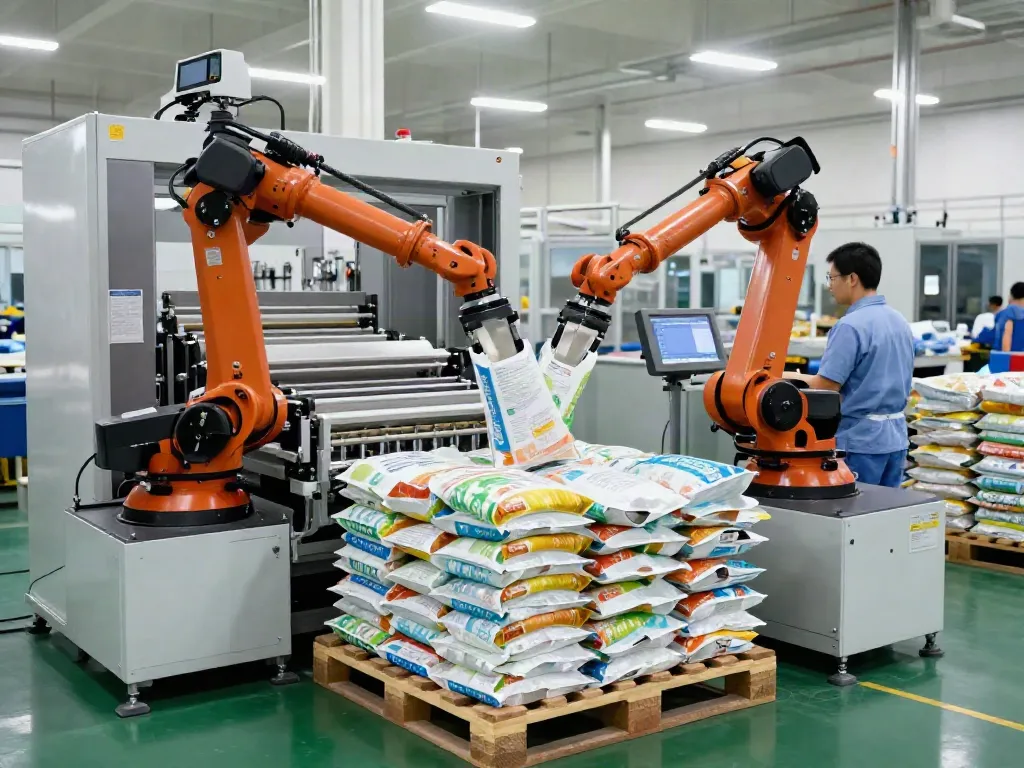
An automatic bag palletizer machine is a sophisticated piece of equipment designed to automate the process of stacking and arranging bags onto pallets. These machines utilize advanced robotics and control systems to ensure consistent and efficient packaging, catering to a wide range of industries such as food and beverage, agriculture, chemical processing, and more. By streamlining this integral part of the supply chain, companies can significantly enhance their throughput and reduce manual labor costs.
Key Features and Technologies of Modern Systems
Modern automatic bag palletizers are equipped with a variety of innovative features that set them apart from their predecessors. Some key technologies include:
- Robotic Arms: Many systems utilize robotic arms for precision stacking, capable of handling a diverse range of bag sizes and weights.
- Vision Systems: These systems use advanced imaging technology to identify and position bags accurately, reducing errors in alignment and stacking.
- Modular Design: This allows for easy integration into existing production lines and offers flexibility to adapt to changing production needs.
- User-Friendly Interfaces: Modern palletizers often come with intuitive interfaces that simplify operation and monitoring, making it easier for staff to adapt and control the machinery.
Benefits for Manufacturing and Logistics
Implementing an automatic bag palletizer machine delivers numerous advantages, including:
- Increased Efficiency: Automated palletizers can operate at a higher speed than human workers, allowing businesses to keep pace with growing demand.
- Cost Reductions: By minimizing labor costs and reducing packaging errors, companies can achieve significant savings in production expenses.
- Improved Safety: Automation reduces the risk of workplace injuries associated with manual lifting and repetitive motions, leading to a safer working environment.
- Consistent Quality: Automated systems ensure uniform stacking, leading to stable pallet loads that can withstand transportation and storage.
Challenges in Implementing Bag Palletizers
While the benefits of automatic bag palletizer machines are clear, businesses may face several challenges during implementation.
Common Misconceptions About Automation
One of the prevalent misconceptions is that automation is prohibitively expensive and only suitable for large manufacturers. In reality, there are various models available that cater to different operational scales, making automation accessible to businesses of all sizes. Additionally, some companies worry that automation will lead to job losses, but the truth is that it often allows workers to transition to more complex and rewarding roles within the organization.
Integration with Existing Production Lines
Another challenge is the integration of automatic bag palletizers with existing production systems. Companies must ensure compatibility with their current machinery, which may require additional investment in custom solutions or infrastructure modifications. A comprehensive assessment of the entire packaging line is essential for a smooth transition.
Addressing Technical Limitations and Concerns
Technical limitations, such as the inability to handle certain bag types or weights, can also pose a challenge. Businesses should conduct thorough research and potentially consult with manufacturers to choose a system tailored to their specific needs. Ongoing technical support and maintenance services are crucial to address any operational issues that may arise post-installation.
Best Practices for Optimizing Bag Palletizing Operations
To maximize the benefits of an automatic bag palletizer, businesses should follow several best practices.
Setting Up the Automatic Bag Palletizer for Maximum Efficiency
Proper setup is vital for achieving optimal efficiency. This includes selecting the right configuration for specific bag sizes and ensuring that the machine is calibrated correctly. Additionally, regular reviews of operational data can help identify areas for improvement.
Regular Maintenance to Ensure Performance
Routine maintenance checks are essential for sustaining the performance of the palletizer. This includes inspecting mechanical parts, updating software, and ensuring that sensors and vision systems are functioning correctly. Regular training sessions for staff can also help in identifying maintenance needs before they become critical.
Training Staff to Operate the Machinery Effectively
Effective training programs for employees on how to operate and troubleshoot the automatic bag palletizer machine can lead to increased productivity and reduced downtime. Workers should be familiarized with the user interface, basic maintenance procedures, and safety protocols to ensure that the equipment is utilized to its full potential.
Real-World Applications and Case Studies
Numerous industries have successfully implemented automatic bag palletizers, leading to impressive results.
Success Stories from Various Industries
For example, a leading agricultural firm reported a 30% increase in efficiency after integrating an automatic bag palletizer into its operations. By automating the palletizing process, they reduced labor costs and improved the quality of their pallet stacks, dramatically enhancing their shipping capabilities.
Comparative Analysis with Manual Processes
In contrast, a manual palletizing process can lead to inconsistent stack quality and higher labor costs. Studies indicate that factories employing manual methods experience increased product damage rates during transportation due to unstable pallets. The transition to automation has been shown to stabilize these rates significantly, making it a worthwhile investment.
Future Trends in Bag Palletizing Technology
As technology evolves, so too do the capabilities of automatic bag palletizers. Future trends may include greater integration of AI for predictive maintenance, enhanced vision systems for even more precise handling, and the development of eco-friendly materials for the machinery itself.
Conclusion and Future Outlook
Looking ahead, the role of automatic bag palletizers is poised to expand significantly in the coming years.
Predictions for Bag Palletizer Innovations in 2026
By 2026, we can expect to see more advanced capabilities in bag palletizing technology, including increased automation, enhanced machine learning features, and greater adaptability for various products. These innovations will further drive efficiency and cost-effectiveness in manufacturing and logistics.
Final Thoughts on the Role of Automation in Manufacturing
The transition towards automation is not merely a trend; it is an essential evolution necessary for survival in today’s competitive market. Companies that embrace this change will position themselves for greater success, ensuring they have the tools needed to meet consumer demands.
FAQs: Common Questions About Automatic Bag Palletizers
- How much does a robotic palletizer cost? The cost can vary significantly based on the specifications and capabilities of the machine, ranging from tens of thousands to several hundred thousand dollars.
- What are the best automated bagging systems? The best systems depend on the specific requirements of a business, including bag types, production speed, and integration capabilities.
- What are the different types of palletizer machines? There are several types, including robotic, conventional, semi-automatic, and fully automatic systems, each designed for different applications and environments.
- What is palletizing automation? Palletizing automation refers to the use of machines to execute the task of stacking products onto pallets, reducing the need for manual labor and enhancing efficiency.