The Evolution of CNC Machining Services
Since its inception, CNC (Computer Numerical Control) machining has transformed the landscape of manufacturing by providing unprecedented precision and efficiency. Over the years, industries have witnessed a remarkable evolution in CNC machining technologies, making it an essential service in various sectors, from aerospace to automotive and beyond. Understanding this evolution not only highlights the advancements made but also sets the stage for what lies ahead. Today, many companies seeking reliable solutions turn to reputable cnc machining parts manufacturer for their production needs, ensuring quality and precision in every aspect of their manufacturing process.
History and Milestones in CNC Machining
The journey of CNC machining began in the 1940s with the advent of numerical control (NC) machines. These machines utilized punched tape to drive tools, but the transition to computer control in the 1960s revolutionized the industry. This transition introduced programming languages like G-code, allowing for intricate designs and faster production cycles. The 1980s and 90s saw the introduction of more user-friendly interfaces and software, significantly broadening accessibility to smaller manufacturers. As technology advanced, so did the capabilities of CNC machines, enabling simultaneous multi-axis operations, which enhanced precision.
Technological Advancements in CNC Machines
Modern CNC machines leverage advanced technologies such as robotics, artificial intelligence, and IoT (Internet of Things). These innovations have enabled real-time monitoring of machining processes and predictive maintenance, reducing downtime and improving efficiency. The implementation of 5-axis machining has also changed the game, allowing manufacturers to create complex geometries that were once deemed impossible. As we move forward, we anticipate even more groundbreaking developments, including additive manufacturing integration into traditional CNC processes.
Importance of CNC Machining Parts Manufacturer in Modern Manufacturing
A reliable CNC machining parts manufacturer plays a pivotal role in modern manufacturing. These firms not only provide the necessary machinery but also ensure that precision and quality control are upheld. By partnering with a seasoned manufacturer, businesses can leverage their expertise, reducing waste and enhancing product quality. Moreover, a strong relationship with a manufacturer facilitates better communication and adaptation to the shifting demands of the market.
Key Services Offered by CNC Machining Parts Manufacturers
CNC machining manufacturers offer a diverse range of services tailored to meet various industry needs. Understanding these services is crucial for companies looking to optimize their manufacturing processes and gain a competitive edge.
CNC Milling Services: Techniques and Applications
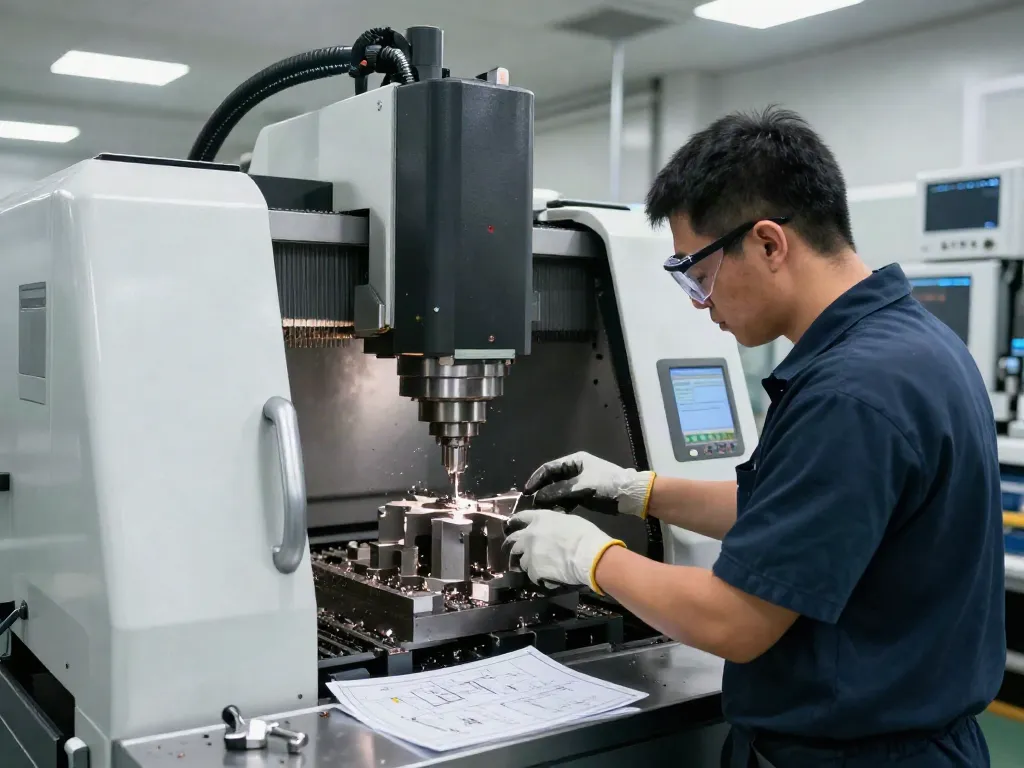
CNC milling is one of the most widely used processes in manufacturing. Utilizing rotary cutters, it enables the creation of complex parts with high levels of accuracy. Common applications include the production of components for automotive, aerospace, and medical industries. The versatility of CNC milling allows manufacturers to work with various materials, including metals, plastics, and composites, making it an essential service.
CNC Turning Services: What to Expect
CNC turning involves rotating a workpiece against a stationary cutting tool to achieve desired shapes. This method is primarily used to create cylindrical parts with high precision, such as shafts, pins, and bushings. Companies utilizing CNC turning can expect expedited production times and enhanced accuracy, key factors that drive their operational efficiency.
Injection Molding Services: A Deeper Dive
Injection molding is another critical service offered by CNC machining parts manufacturers. This process involves injecting molten material into a mold to create specific shapes and sizes, commonly used in plastic component production. With advancements in the technology, manufacturers can now produce intricate designs with minimal waste, making it a cost-effective solution for large-scale production.
Quality Assurance in CNC Machining Parts Production
Quality assurance is paramount in CNC machining to ensure that all manufactured parts meet the required specifications and standards. This section explores the key components of a robust quality assurance framework.
Standards and Certifications in the Industry
Adherence to recognized standards and certifications, such as ISO 9001, is essential for CNC machining parts manufacturers. These standards ensure that the production processes are consistent, reliable, and meet the customers’ quality expectations. Furthermore, certifications provide a competitive advantage, indicating a commitment to excellence in manufacturing practices.
Implementing Quality Control Measures
Effective quality control measures are crucial for identifying defects early in the manufacturing process. This can include regular inspections, the use of statistical process control (SPC), and comprehensive documentation of machining processes. By implementing these measures, manufacturers can guarantee that products not only meet but exceed customer expectations.
Case Study: Success Stories in Quality Assurance
Many manufacturers have successfully implemented robust quality assurance programs, leading to significant reductions in waste and improvements in product reliability. For instance, a leading automotive parts manufacturer adopted a stringent quality control process that resulted in a 30% decrease in defects over a span of three years, showcasing the effectiveness of quality assurance in CNC machining.
Challenges Faced by CNC Machining Parts Manufacturers
While the CNC machining industry continues to innovate, manufacturers face several challenges that can impact their operations. Understanding these challenges is essential for developers to navigate the complexities of the manufacturing landscape.
Common Mistakes in CNC Machining
Common pitfalls in CNC machining include inadequate planning and miscommunication between design engineers and machining operators. Failing to conduct thorough inspections can also lead to costly reworks or defects in final products. Addressing these mistakes through effective training and communication can significantly enhance productivity and reduce operational risks.
Addressing Customer Needs and Concerns
Manufacturers must remain responsive to the evolving needs of their customers. This includes being able to adapt to changing designs, material requirements, and delivery timelines. A lack of flexibility can lead to unfulfilled orders and a loss of credibility among clients.
Future Challenges and How to Overcome Them
Looking ahead, CNC machining parts manufacturers will face challenges related to technological adaptation and sustainability. Embracing new technologies while maintaining efficiency is critical. Manufacturers can benefit from investing in staff training and upgrading machinery, ensuring they are well-prepared to meet future demands.
Future Trends in CNC Machining Parts Manufacturing
As the manufacturing industry evolves, staying ahead of trends is crucial for success. Here are some emerging trends shaping the future of CNC machining.
Emerging Technologies in CNC Machining
Innovations such as additive manufacturing, AI integration, and smart manufacturing systems are on the rise. These technologies allow for optimizing CNC machining processes by increasing speed, reducing material waste, and improving part quality. Companies adopting these technologies will likely have a competitive edge as the market continues to evolve.
Sustainability in Manufacturing Processes
With increasing awareness of environmental issues, sustainability has become a significant focus in CNC machining. Manufacturers are now looking at ways to reduce their carbon footprint through energy-efficient machinery and waste-reduction strategies. Adopting sustainable practices not only benefits the environment but can also enhance brand reputation among eco-conscious consumers.
Predictions for the CNC Industry in 2026 and Beyond
By 2026, it is anticipated that the CNC machining industry will continue to embrace automation and digital tools, leading to smarter manufacturing ecosystems. The integration of AI and machine learning will enable predictive capabilities, enhancing operational efficiency and minimizing unexpected machine downtime.
What are the main benefits of using CNC machining parts manufacturers?
Collaboration with a CNC machining parts manufacturer provides numerous benefits, including access to advanced technologies, expertise in quality assurance, and the ability to handle complex designs with precision. This partnership can lead to improved operational efficiencies, reduced production costs, and heightened customer satisfaction.
How can I choose the best CNC machining parts manufacturer?
When selecting a CNC machining parts manufacturer, consider factors such as experience, capabilities, certifications, and customer testimonials. It's also wise to assess their turnaround times and responsiveness to ensure they can meet your project deadlines and specifications effectively.
What industries benefit most from CNC machining services?
Industries such as automotive, aerospace, medical devices, and electronics significantly benefit from CNC machining services. These sectors demand high precision and quality standards, making CNC machining an indispensable tool in their manufacturing processes.
What kind of precision can I expect from CNC machining?
CNC machining offers exceptional precision, often within tolerances of ±0.01 mm (±0.0005 inches), depending on the machine and the operation. This level of accuracy is vital for applications that require intricate details and stringent specifications.
How does CNC machining compare to traditional machining methods?
Compared to traditional machining methods, CNC machining offers superior precision, repeatability, and efficiency. While manual machining relies heavily on operator skill, CNC machining automates the process, reducing the risk of human error and enabling quicker production times.