Understanding Glass Cutting Machines
Glass cutting machines are essential tools in the glass manufacturing and fabrication industry, enabling precise cutting of various types of glass for a multitude of applications. As demand for high-quality glass products continues to rise, understanding the nuances of glass cutting technology becomes increasingly important. Eworld Machinery, a premier glass cutting machine supplier from China, has been at the forefront of this industry since 2002, offering innovative solutions that meet diverse customer needs.
Overview of Glass Cutting Technology
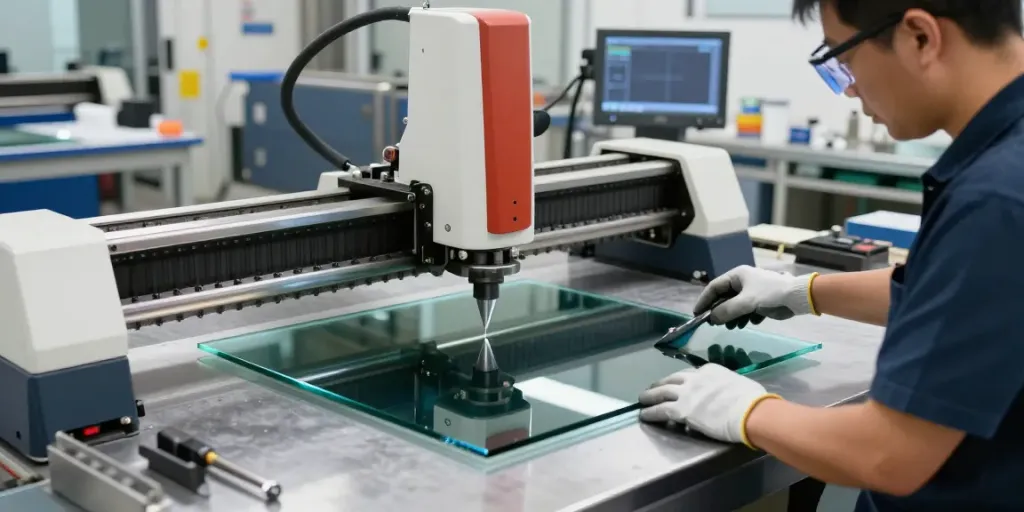
The technology behind glass cutting has evolved dramatically over the years. Initially dominated by manual methods, advancements have led to the development of automated systems that offer enhanced precision and speed. Modern glass cutting machines employ various techniques, including the use of diamond-tipped blades, high-pressure water jets, and CNC (Computer Numerical Control) technology, which allows for intricate cuts and shapes with minimal waste.
Types of Glass Cutting Machines
There are several types of glass cutting machines available, each designed for specific applications:
- Manual Glass Cutters: Simple tools for small-scale projects, ideal for hobbyists and DIY enthusiasts.
- CNC Glass Cutting Machines: Automated machines that use computer programs to achieve precise cuts, suitable for large production runs.
- Water Jet Cutters: Employ high-pressure water to cut through glass, allowing for complex designs without thermal stress.
- Laser Cutters: Use focused laser beams for clean cuts; perfect for detailed patterns and designs.
Common Features and Specifications
When selecting a glass cutting machine, it is essential to consider various features and specifications that impact efficiency and output quality. Common specifications include:
- Cutting Speed: Measured in square meters per hour, it indicates how quickly a machine can process materials.
- Accuracy: Precision is crucial in glass cutting, often indicated by tolerances in millimeters.
- Material Compatibility: Machines should be able to cut different types of glass, including tempered, laminated, and low-E glass.
- Automation Level: The extent to which a machine is automated can affect productivity and labor costs.
Typical Challenges Faced by Glass Cutting Machine Suppliers
The glass cutting machinery sector faces unique challenges that can impact supply chains and customer satisfaction. Understanding these issues is vital for suppliers and customers alike.
Customer Pain Points and Expectations
Customers often encounter challenges related to the performance and reliability of glass cutting machines. Key pain points include:
- High Maintenance Costs: Frequent breakdowns and repairs can lead to increased costs and downtime.
- Training Needs: New users may require extensive training to operate complex machines effectively.
- Supply Chain Issues: Delays in receiving parts or upgrades can hinder production schedules.
Common Technical Issues and Solutions
Technical issues can arise during operation, such as poor cut quality or machine malfunctions. Common solutions include:
- Regular Maintenance: Implementing a routine maintenance schedule can prevent many common issues.
- Software Updates: Keeping software up to date ensures optimal performance and access to new features.
- Operator Training: Investing in comprehensive training programs enhances operator efficiency and reduces errors.
Regulatory Compliance Considerations
Glass cutting machine suppliers must comply with various regulations concerning safety, environmental standards, and manufacturing practices. Staying compliant not only safeguards workers but also enhances the company's reputation.
Best Practices for Optimizing Glass Cutting Efficiency
To maximize productivity and efficiency, it is essential for glass cutting machine users to adopt certain best practices.
Routine Maintenance Checklist for Machines
A robust maintenance program should include:
- Daily inspection of cutting heads and blades for wear and tear.
- Regular lubrication of mechanical parts to avoid friction and jams.
- Calibration checks to ensure cutting accuracy.
Training Staff for Enhanced Productivity
Providing continuous training opportunities for staff not only increases product knowledge but also empowers employees to address issues proactively, leading to fewer operational disruptions.
Leveraging Technology for Better Outcomes
Incorporating advanced technology, such as automation and data analytics, can significantly boost operational efficiency. For instance, predictive analytics can forecast maintenance needs, reducing unplanned downtime.
Case Studies of Leading Glass Cutting Machine Suppliers
Examining successful case studies can provide valuable insights into effective strategies employed by leading suppliers, including Eworld Machinery.
Success Stories from Eworld Machinery
Eworld Machinery has established itself as a leader in the industry through its commitment to quality and innovation. A notable case involved a large-scale client seeking to enhance production speed. By implementing a high-performance CNC glass cutting machine, the client increased their output by 30% while reducing waste by 15%.
Comparative Insights from Competitor Analysis
Through a detailed analysis of competitors, it becomes clear that key differentiators include machine reliability, quality of customer service, and after-sales support. For instance, companies that offer robust training programs and responsive customer service often achieve higher customer satisfaction ratings.
Real-world Applications of Advanced Glass Cutting Solutions
Advanced glass cutting solutions are utilized across various industries, from automotive to architecture. For example, the automotive industry employs precise glass cutting techniques to manufacture windshields and windows, requiring both accuracy and efficiency.
Future Trends in Glass Cutting Technology by 2026
The glass cutting industry is poised for significant advancements in the coming years. Emerging technologies and changing consumer demands will shape the market landscape.
Emerging Technologies and Their Potential Impact
Innovations such as AI-driven automation and enhanced material science will revolutionize glass cutting processes. Machines incorporating AI can analyze cutting patterns and adapt in real-time to optimize results.
Predicted Market Trends and Consumer Behavior
Market research indicates a growing demand for customized glass solutions. Customers increasingly prefer tailored products that meet specific aesthetic and functional requirements.
The Role of Sustainability in Glass Manufacturing
Sustainability is becoming a critical focus in manufacturing processes. Suppliers are expected to adopt practices that minimize waste and lower carbon footprints. Advanced glass cutting technologies will play a crucial role in achieving these goals.
What are the benefits of using a glass cutting machine supplier?
Partnering with a reputable glass cutting machine supplier offers several advantages, including access to the latest technology, expert support, and comprehensive training programs. Suppliers like Eworld Machinery can provide tailored solutions that enhance production efficiency and product quality.
How to choose the right glass cutting machine supplier?
When selecting a supplier, consider factors such as experience, customer reviews, product range, and after-sales support. A thorough evaluation can lead to a partnership that meets your business's specific glass cutting needs.
What maintenance is required for glass cutting machines?
Basic maintenance tasks include regular inspections, cleaning, lubricating moving parts, and software updates. Adhering to a maintenance schedule extends the life of the equipment and ensures consistent performance.
Are there any innovations in glass cutting technology expected in 2026?
Innovations on the horizon include smarter automation, improved energy efficiency, and more versatile machinery that can handle various types of glass with differing thicknesses and properties. These advancements will likely revolutionize the industry and improve production capabilities.