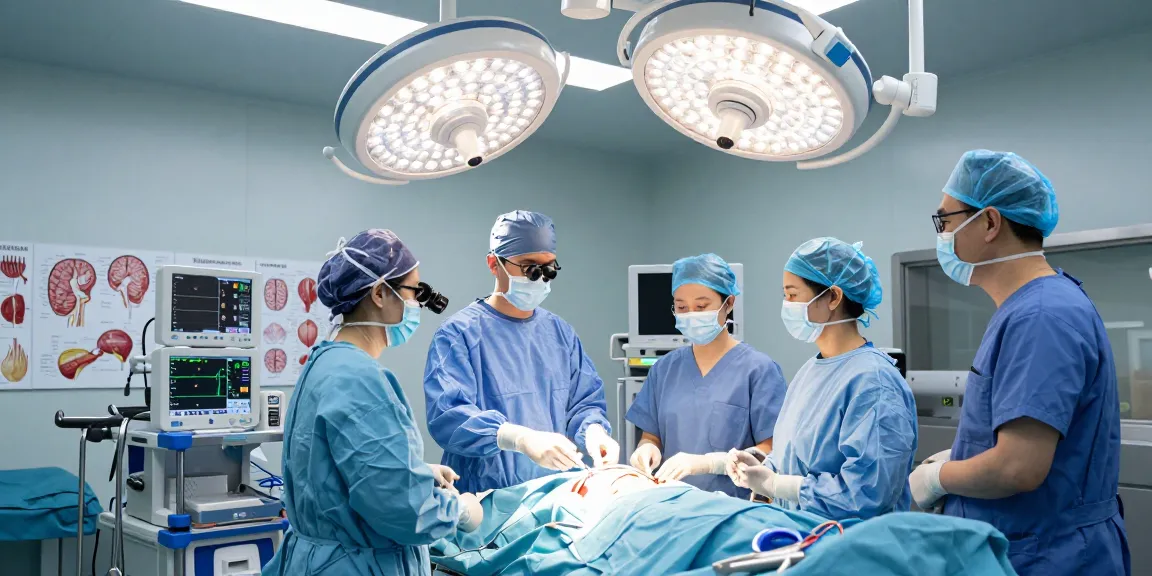
Understanding Brain Tumor Surgery
Brain tumor surgery, or the surgical intervention for brain tumors, is a critical procedure that aims to remove tumors from the brain or adjacent tissues. This surgery can be categorized into operations for benign tumors, such as meningiomas, and malignant or aggressive forms like gliomas or metastatic tumors. As one delves into the intricacies of the surgical procedures, it becomes essential to grasp the types of tumors involved, which significantly influence treatment approaches. When exploring options, beyin tümörü ameliyatı provides comprehensive insights into the treatment protocols and outcomes.
What is Beyin Tümörü Ameliyatı?
Beyin tümörü ameliyatı refers to the surgical process of removing brain tumors to alleviate neurological symptoms, enhance the patient's quality of life, and potentially prolong survival. This intervention is tailored to the type and location of the tumor, the patient's overall health, and the tumor's behavior. Surgical techniques have evolved significantly, enabling surgeons to perform complex procedures with greater precision and safety.
Types of Brain Tumors: Meningioma, Glioma, and Metastatic Tumors
Brain tumors can be broadly categorized into three primary types: meningiomas, gliomas, and metastatic tumors. Meningiomas are typically benign tumors that arise from the meninges, the protective layers surrounding the brain. They can grow slowly and may remain asymptomatic for extended periods, often discovered incidentally during imaging for other reasons. Gliomas, including the aggressive variant known as Glioblastoma Multiforme (GBM), derive from glial cells and present a more challenging treatment landscape due to their invasiveness and propensity for recurrence. Metastatic tumors are secondary growths that originate from cancer elsewhere in the body, such as lung or breast cancer, and can pose unique challenges in management.
The Surgical Process Explained
The surgical approach to treating brain tumors involves several key steps, starting with thorough preoperative assessments. These include advanced imaging techniques like MRI and CT scans to map the tumor's location and its relationship with critical brain structures. This meticulous planning allows the surgical team to tailor the approach, potentially utilizing minimally invasive techniques to enhance recovery while ensuring maximal tumor removal.
Preparation for Beyin Tümörü Ameliyatı
Preparation for brain tumor surgery is a crucial phase that sets the stage for optimal outcomes. It involves not only physical evaluations but also informing and educating the patient about the surgical process, potential risks, and postoperative expectations.
Preoperative Assessments and Tests
Before surgery, patients undergo a series of assessments, including neurological examinations and imaging studies. These tests help establish the tumor's characteristics, including its size and location, which are critical for developing an effective surgical strategy. Blood tests are also performed to evaluate overall health and identify any existing conditions that might complicate the surgery.
Patient Education and Setting Expectations
Effective communication between healthcare providers and patients is vital. Patients should be educated about the nature of their condition, the surgical process, and what to expect before, during, and after the operation. This education not only helps alleviate anxiety but also fosters a collaborative relationship that enhances patient involvement in their care.
Logistical Considerations for Surgery Day
On the day of surgery, logistical arrangements are key. Patients may be required to fast before the procedure and should plan for transportation to and from the hospital. Understanding the timeline, from preoperative preparations to expected recovery times, is essential for both patients and their families.
Risks and Complications of Beyin Tümürü Ameliyatı
Like any surgical procedure, brain tumor surgery carries inherent risks and potential complications. Understanding these risks helps patients make informed choices about their treatment.
Common Surgical Risks and Their Management
Common risks associated with brain surgery include bleeding, infection, and adverse reactions to anesthesia. To mitigate these risks, surgeons implement strict sterile techniques and conduct thorough reviews of the patient's medical history. Continuous monitoring during and post-surgery ensures prompt management of any complications that may arise.
Identifying Early Complications Post-Surgery
Following surgery, patients are closely monitored for signs of complications such as swelling in the brain, seizures, or neurological deficits. Early identification of these issues is crucial as they can significantly impact recovery and the overall success of the treatment plan.
Long-term Risks: Recurrence and Monitoring
One of the most pressing concerns for patients undergoing brain tumor surgery is the potential for tumor recurrence. Regular follow-up visits, including imaging studies such as MRIs, play a vital role in monitoring for any signs of tumor regrowth. Establishing a long-term management plan that includes oncological support is essential for optimizing patient outcomes.
Recovery Process After Beyin Tümörü Ameliyatı
The recovery journey after brain tumor surgery is multifaceted, involving both physical and emotional rehabilitation. An effective recovery plan is crucial to ensure patients regain their strength and quality of life.
Initial Recovery in the Hospital
After surgery, patients typically spend a period in the hospital for monitoring. The initial recovery phase focus is on managing pain, preventing complications, and assessing neurological function. Healthcare providers provide a structured rehabilitation program tailored to the patient's needs during this phase.
Postoperative Care and Follow-up Visits
Postoperative care involves scheduled follow-up visits to monitor healing and recovery progress. During these visits, healthcare providers assess the surgical site, conduct neurological evaluations, and adjust medications or therapies as necessary. This ongoing support is vital for addressing any emerging issues and guiding the patient's recovery journey.
Guidelines for Home Recovery and Rehabilitation
Once discharged from the hospital, patients should follow specific guidelines to facilitate recovery. This may include rest, gradual resumption of normal activities, and adhering to prescribed physical therapy regimens. Emotional well-being is equally important, and many patients benefit from counseling or support groups to cope with the psychological impact of their diagnosis and treatment.
Future Trends in Brain Tumor Treatments
The field of neuro-oncology is ever-evolving, with new techniques and therapies being developed to enhance surgical outcomes and improve patient survival rates. As technology advances, so does the potential for innovative treatments.
Innovative Surgical Techniques and Technologies
Emerging technologies such as robotic-assisted surgery and enhanced imaging modalities are revolutionizing how brain tumors are approached. These innovations allow for greater precision and potentially reduced recovery times, making surgery safer and more effective.
Combination Therapies: Surgery and Radiation
Combining surgical interventions with radiation therapy is becoming increasingly common in treating aggressive tumors. This integrative approach targets tumor cells more effectively and reduces the chance of recurrence, ultimately improving patient outcomes.
What to Expect in 2026: Predictions and Advancements
Looking towards 2026, advancements in personalized medicine, including targeted therapies and immunotherapy, are expected to play a significant role in treating brain tumors. Ongoing research and clinical trials will continue to shape the landscape of neuro-oncology, offering hope for improved survival rates and quality of life for patients.
What are the Common Symptoms of Brain Tumors?
Common symptoms of brain tumors include persistent headaches, seizures, changes in vision or speech, and cognitive difficulties. Early recognition of these symptoms is crucial for timely diagnosis and management.
How Long is the Recovery Time After Brain Surgery?
The recovery time after brain surgery can vary significantly based on the tumor’s type, location, and the individual’s overall health. Generally, recovery can take from several weeks to a few months.
Are There Any Non-Surgical Treatments Available?
Non-surgical treatments, such as chemotherapy and radiation therapy, are often employed alongside or instead of surgery, particularly for patients with specific tumor types or those who may not be candidates for surgery.
What Should I Expect During Follow-Up Appointments?
During follow-up appointments, patients can expect neurological evaluations, imaging studies, and discussions regarding their overall health and any ongoing symptoms. This continuity of care is vital for optimizing treatment outcomes.
How to Manage Emotional Well-Being After Surgery?
Managing emotional well-being post-surgery is crucial for recovery. For more information, beyin tümörü ameliyatı offers valuable insights. Engaging in support groups, counseling, or therapy can be beneficial in addressing the psychological challenges that arise during this journey.