Understanding OHLCV Data Basics
In the world of cryptocurrency and trading, understanding how to analyze market trends is crucial for making informed decisions. OHLCV data stands as a fundamental building block for traders, analysts, and machine-learning pipelines. This data format encapsulates essential market activity through five key components: Open, High, Low, Close, and Volume. Known collectively as OHLCV, this data not only aids in understanding market fluctuations but also serves as a template for various trading strategies and technical analyses. When exploring options, ohlcv provides comprehensive insights that are invaluable for both novices and seasoned investors.
What is OHLCV and Its Components?
OHLCV stands for Open, High, Low, Close, and Volume, which are the fundamental indicators used by traders to gauge market performance over a specific period. Each data point represents:
- Open (O): The price at which the asset began trading at the start of the specified period.
- High (H): The highest price reached during that time frame.
- Low (L): The lowest price during the same duration.
- Close (C): The final price of the asset at the end of the time interval.
- Volume (V): The quantity of assets traded during that period.
OHLC vs OHLCV: Key Differences Explained
While OHLC data includes just the four essential price indicators (Open, High, Low, Close), the inclusion of Volume in OHLCV provides traders with a more comprehensive understanding of market activity. Volume is particularly important as it indicates the strength behind price movements. A price increase accompanied by high volume can imply strong market interest, whereas the same price movement with low volume may suggest weak interest and potential price retracement.
Common Uses of OHLCV Data in Trading
OHLCV data is widely used in technical analysis for creating various trading models, including:
- Candlestick Patterns: These visual graphical representations utilize OHLCV data to predict future price movements based on historical trends.
- Moving Averages: OHLCV inputs allow traders to calculate moving averages, which help smooth price action and identify trends.
- Backtesting Strategies: Traders can use historical OHLCV data to refine and validate their trading strategies.
- Trend Analysis: Using OHLCV information, traders can identify bullish or bearish trends and make proactive investment decisions.
Accessing OHLCV Data via APIs
Getting Started with iTick API for OHLCV
The iTick historical data API offers a straightforward way to retrieve OHLCV data for numerous asset classes, including stocks, forex, cryptocurrencies, indices, and more. The data is served in a consistent JSON format, making integration into applications smooth and efficient. The fields provided include timestamp (t), open (o), high (h), low (l), close (c), volume (v), and turnover (tu), allowing users various flexibility in their trading setups.
Alternative Sources for Free OHLCV Data
In addition to iTick, there are several other platforms that provide free OHLCV data. Options like CoinAPI, Alpha Vantage, and Tradier offer different levels of access, often catering to specific asset classes or geographical markets. Evaluating their offerings can help you find the most reliable and relevant data for your specific needs.
Best Practices for API Data Retrieval
When retrieving data via APIs, it’s essential to adhere to best practices to ensure accurate and timely data collection. Users should consider:
- Rate Limiting: Respect the API’s call limits to avoid throttling or bans.
- Data Caching: Implement caching strategies to minimize redundant requests and speed up access.
- Data Validation: Always check for data integrity and availability after each retrieval to ensure accuracy.
- Backup Plans: Consider multiple data sources to reduce the risk of downtime from a single provider.
Interpreting OHLCV Data Effectively
From OHLCV to Candlestick Charts
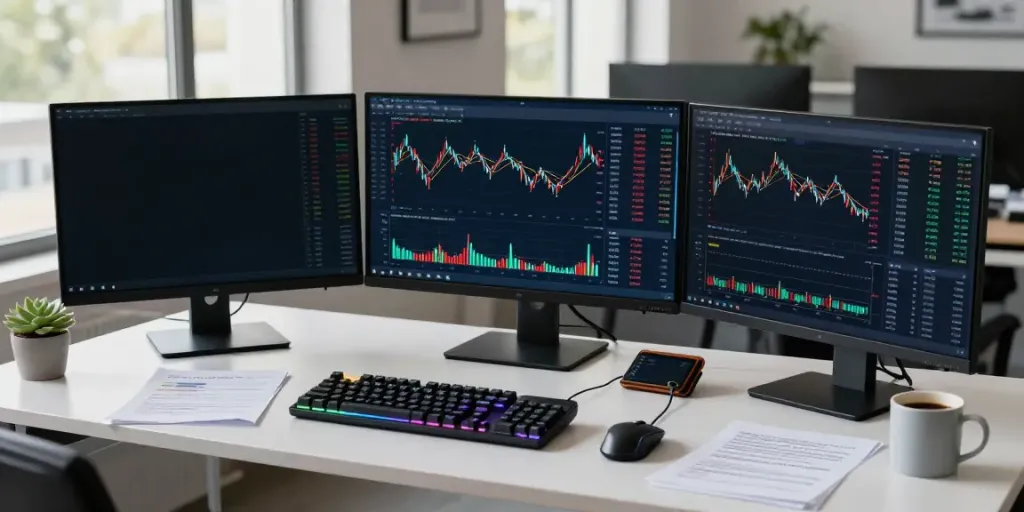
Candlestick charts are visual representations of OHLCV data, offering a clear view of market behavior over specific intervals. Each candlestick reflects one OHLCV row, where:
- If the closing price is higher than the opening price, the candlestick body is typically colored green (or white), indicating upward movement.
- If the closing price is lower than the opening price, the body is usually red (or black), indicating a downward movement.
These charts allow traders to identify patterns and trends more intuitively, making them indispensable in trading strategies.
Identifying Market Trends through Timeframes
OHLCV data can be applied across multiple timeframes, including:
- Minute-level: Ideal for day trading and capturing short-term fluctuations.
- Hourly: Useful for swing traders looking to capitalize on medium-term trends.
- Daily, Weekly, and Monthly: Align with longer-term strategies and investment horizons.
By analyzing market activity over varying timeframes, traders can gain insights into both short-term momentum and long-term trends.
Common Pitfalls in OHLCV Data Quality
Despite its usefulness, traders should be mindful of quality issues that can affect OHLCV data reliability, such as:
- Data Inconsistencies: Differences in data reporting between exchanges may lead to misleading conclusions.
- Missing Data: Gaps in data due to holidays or outages can skew analysis.
- Outliers: Extreme price movements or erroneous data points can distort trend analyses.
Establishing a robust methodology for identifying and rectifying these issues is critical for serious traders.
Security Measures for Trading with OHLCV Data
Protecting Your Data and Trading Strategies
As OHLCV data is leveraged to inform trading strategies, protecting this data becomes paramount. Employing secure coding practices and using HTTPS for API calls are foundational steps to keep data tampering at bay. Furthermore, utilizing secure storage solutions for sensitive trading algorithms and strategies is vital.
Importance of Hardware Wallets and Private Key Management
The rise of decentralized finance (DeFi) has significantly changed the landscape of cryptocurrency storage. Hardware wallets like Ledger and Trezor provide secure offline storage for private keys, offering superior protection against cyber threats. Understanding how to manage your private keys efficiently is equally essential, as losing access to your keys can mean losing your assets permanently.
Avoiding Scams in the Crypto Trading Space
The cryptocurrency market is notorious for attracting malicious actors. Investors and traders should educate themselves about common scams, including phishing attacks, Ponzi schemes, and fake ICOs. Continuous vigilance and verification of sources can safeguard investments and mitigate risks associated with such fraudulent activities.
Future Trends in OHLCV Data Analysis
Emerging Technologies and Their Impact on Trading
The integration of advanced technologies such as blockchain analytics and machine learning is poised to revolutionize the way OHLCV data is analyzed. Predictive algorithms that incorporate these technologies could provide deeper insights and more accurate forecasts based on historical data trends.
Integration of AI in Market Data Analysis
Artificial intelligence (AI) is quickly becoming a staple in market analysis, offering tools that enhance decision-making capabilities. Machine learning algorithms trained on OHLCV data can identify patterns and anomalies that may escape human detection, leading to improved trading performance.
Regulatory Outlook for Crypto Data in 2026
The future of cryptocurrency regulation over the coming years will heavily influence the accessibility and reliability of OHLCV data. In 2026, it is expected that frameworks such as the EU's MiCA (Markets in Crypto-Assets) will set standards for transparency and data management obligations.
What Are Common Security Threats?
As the digital landscape evolves, so do the threats targeting traders and investors. Common security risks include phishing, malware attacks, and unauthorized access to wallets. Understanding these risks and implementing robust security measures can minimize exposure and ensure asset protection.
How to Select Reliable Data Providers?
Choosing a reliable source for OHLCV data involves evaluating the accuracy, integrity, and reputational standing of the data provider. Factors to consider include:
- Historical performance data and user reviews.
- Data refresh rates and frequency of updates.
- API documentation and technical support availability.
Researching various providers and leveraging free trial options can be beneficial in identifying the right fit.